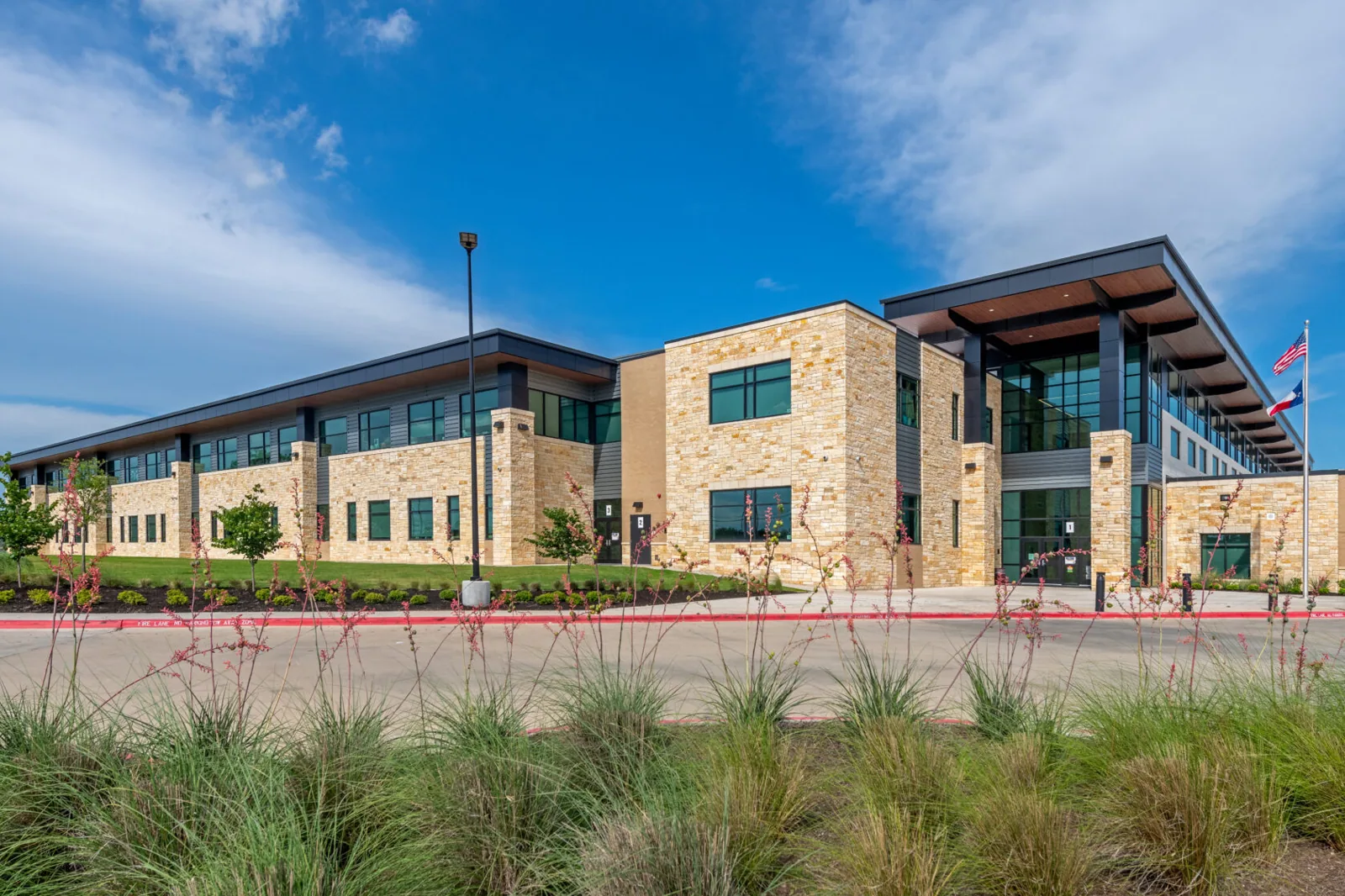
Showroom doors, service bays, and customer traffic make the roof schedule part of the dealership day. Clarksville's summer temperatures run high, and rain is recorded in every season. We inspect the roof above sales, parts, offices, and repair bays, then tie the work zone to vehicle movement, service appointments, and delivery windows. A property near Wilma Rudolph Boulevard or Rossview Road still needs its own entrance and staging plan. We mark which roof sections can be opened, where lifts and materials may sit, and when each area can be handed back without blocking customer circulation.
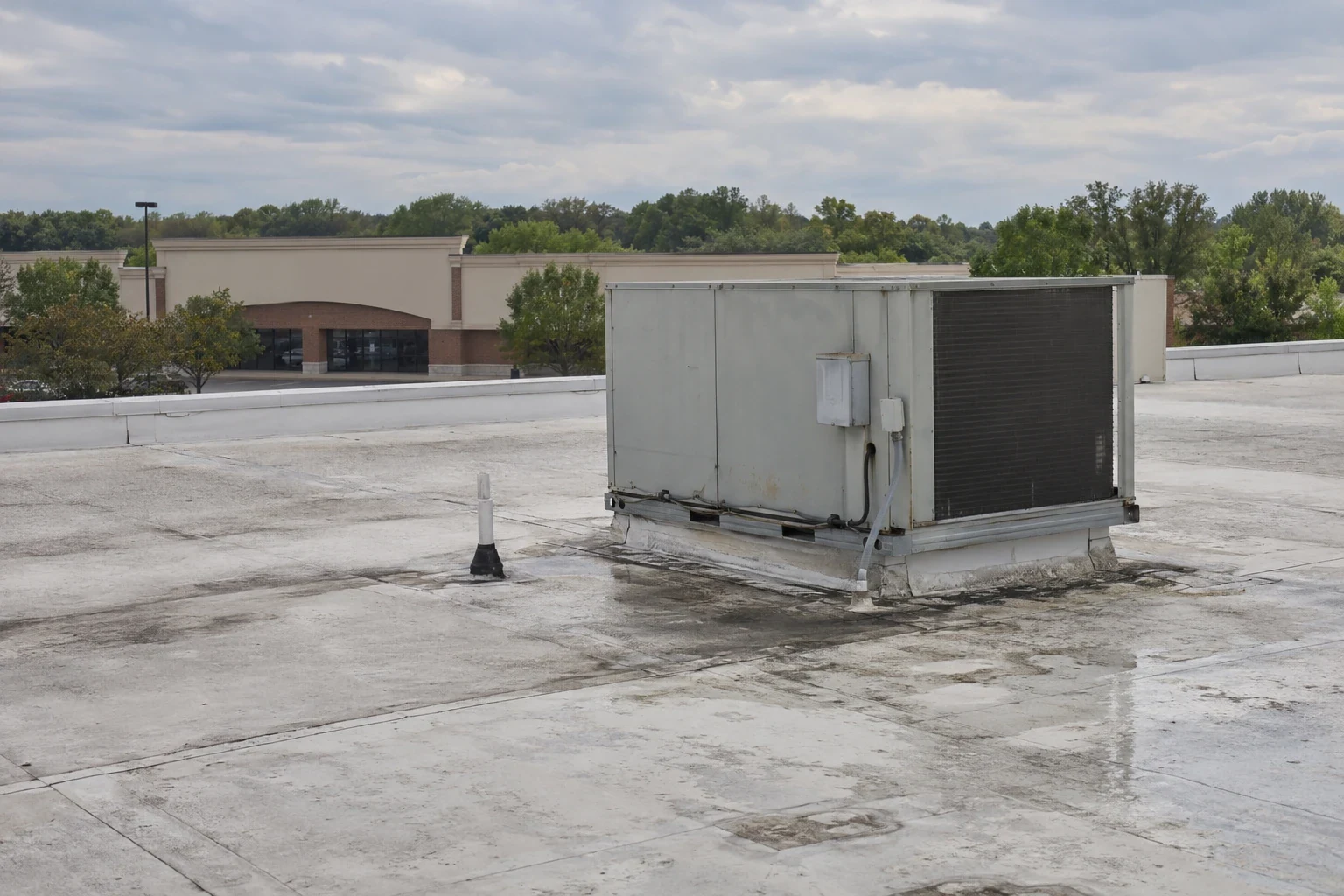
A dealership may have a public showroom, repair bays, parts storage, vehicle display areas, offices, and covered service drives under one roof. The manager identifies customer entrances, active lifts, vehicle lanes, and areas that need protection from dust or water. We confirm material delivery and lift placement before mobilization, then mark the work area so vehicles and pedestrians do not pass below overhead work. If a bay or lane needs temporary closure, the facility selects a time window and communicates it before the crew arrives.
Clarksville's main corridors include Wilma Rudolph Boulevard and Rossview Road, which help locate the general commercial area but do not determine a property's gate or customer path. The work plan uses the actual site layout. A flex-industrial roof sequence can help where service, storage, and office functions share roof zones; an office roof plan may assist with staff routes and customer-facing entrances. Each dealership receives a scope tied to its own roof and schedule. A sales floor can remain open while a service bay is isolated only if lift access and material delivery avoid customer parking. We mark those limits for the shift and confirm them with the service manager.
A leak above a service bay can interrupt a lift or reach electrical and diagnostic equipment. Water above a showroom can damage finishes and display areas. We compare interior reports with seams, skylights, curbs, exhaust penetrations, wall transitions, drains, and edge metal above. The report identifies the roof section and observed path, then separates a confirmed opening from an area that needs testing. We do not set a repair limit from a ceiling stain alone. Photographs and a roof map identify the proposed repair area and any unresolved review item.
Clarksville hail reports from May 2024 and the December 2023 EF3 tornado provide weather context for checking impact and wind-facing edges. They are not evidence of damage at an individual dealership. We inspect the actual roof and record observed conditions. A hands-on inspection documents seams and flashing, while a defined repair scope states the preparation, compatible materials, and tie-in needed for the roof system.
Dealership roofs can include exhaust fans, HVAC units, lighting, signage supports, and service equipment. An equipment change may disturb a curb or introduce a penetration that needs a compatible flashing detail. We check support attachment, roof clearance, service routes, condensate, and the drainage path around units. A sign bracket or conduit should not direct runoff toward a seam or prevent a technician from reaching a drain. If a mechanical trade is moving a unit, we coordinate who handles the curb, opening, and final weatherproofing.
Clarksville's May and November precipitation normals are 5.50 and 4.31 inches; for a dealership, sequence the repair so showroom or service-bay access is protected before rain interrupts the work. We record whether a drain is clear, whether ponding is present, and what follow-up maintenance is needed. A drain and scupper check can be included with the repair. If roof renewal is under consideration, recover review and replacement planning should account for equipment resets and future access.
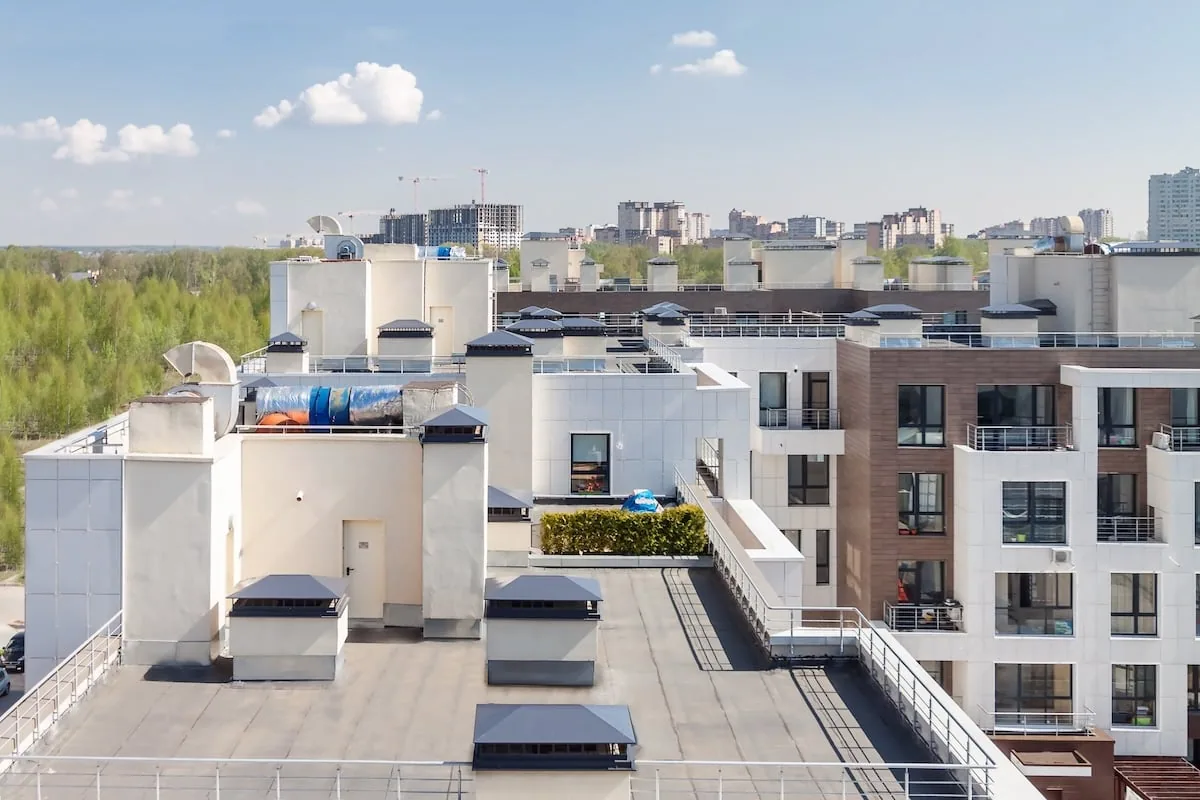
For a replacement, we divide the roof into areas that can be removed, insulated, flashed, and secured within the forecast. The plan records the work zone, lift and delivery windows, protection below, and the dry-in condition expected at the end of each shift. If the forecast changes, the team needs an agreed stop point rather than a large section left exposed over service bays or vehicles. We coordinate noisy work and any required unit shutdown with the dealership contact.
Clarksville's adopted code list includes the 2018 building and existing-building editions; the owner and design team confirm which requirements apply to the project. We identify the existing assembly and the approved material sequence before removal begins. For occupied properties, a phased reroof plan can keep sales and repair functions operating by zone. The scope lists which customer path or bay is restricted and when it returns to service, giving the service manager a reliable window to schedule appointments.
Often the work can be divided by roof area, with lifts, deliveries, and protection scheduled around service appointments. We identify which bays or lanes are under the work zone and agree on a handback time with the manager. If a noisy task or equipment shutdown requires a temporary closure, the scope states the area and schedule before mobilization.
The dealership identifies vehicle paths, display areas, stored parts, and sensitive equipment. We set a defined exclusion zone below overhead work, control material movement, and use interior protection where needed. Each shift ends with a handback that confirms which lanes are clear and what remains restricted.
No. The storm record is regional context, not a property inspection. We check the actual membrane, metal panels, seams, fasteners, skylights, and flashings, then photograph observed damage. A localized issue may support repair, while broader deterioration or moisture can justify a replacement review.
We inspect the disturbed curb or support, flashing, fasteners, penetrations, and drainage around the equipment. The mechanical or sign contractor should coordinate any lifting or disconnection with the facility. The closeout records who completed the weatherproofing and where the next inspection should look.
The handback should show the completed roof zone, photographs, equipment status, any remaining temporary protection, and the customer or service route returned to normal. We also identify the next work area and any follow-up item. The manager can use that record to coordinate appointments and confirm that the bay schedule matches the construction sequence.
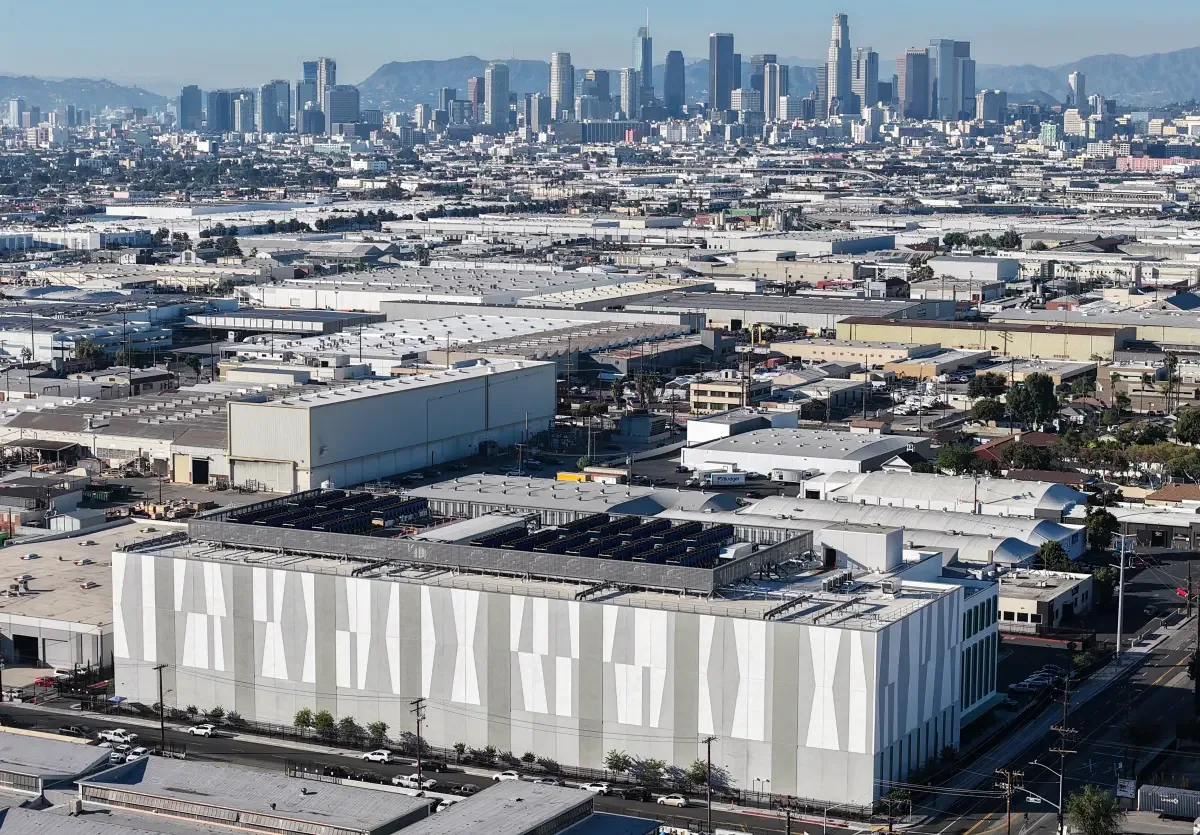
At each phase, the handback identifies the completed roof area, photographs of seams and transitions, remaining protection, and any access restriction that continues. We note whether equipment was returned to service and which drain or curb should be checked during the next inspection. The property manager can pair the record with service-bay or inventory reports if a new interior issue appears. That keeps roof observations and dealership operations in the same sequence without blending separate work areas.
Clarksville routes such as Wilma Rudolph Boulevard and Rossview Road provide local reference, but customer access and staging must be confirmed at the specific property. After the roof work, a photo condition report can support maintenance and budget records. If metal trim or a standing-seam addition is part of the building, compare its edge and fastener conditions with the assembly documentation. Schedule the roof walk with the person coordinating sales hours, service appointments, and access to the roof.
Set a roof walk in Clarksville with your dealership manager. We will inspect the affected roof areas, map customer and vehicle routes, and prepare a phased scope with clear handbacks.