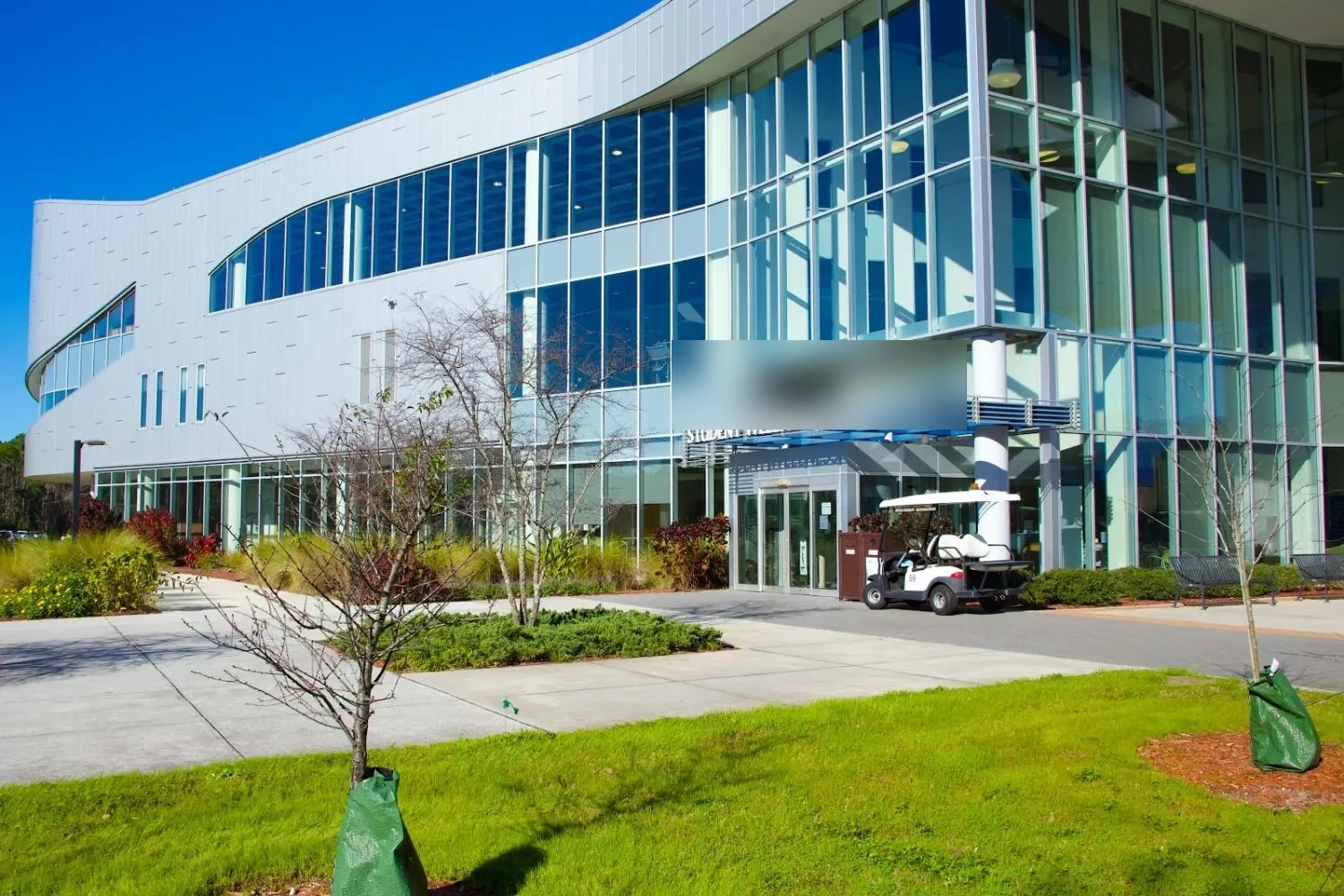
A grocery roof carries more than a dry ceiling. Refrigeration equipment, delivery windows, food handling areas, and public entrances all affect where a repair can open and how quickly it must be secured. Clarksville rainfall is spread through the year, and its normals show 5.50 inches on average in May. We look at drains, seams, equipment curbs, roof edges, and the water path above the reported area, then plan material staging around the receiving schedule. The owner should know what portion of the roof is protected at each shift and which access path remains open. Our scope gives that handback in plain terms so store staff can protect product and keep a safe route for customers.
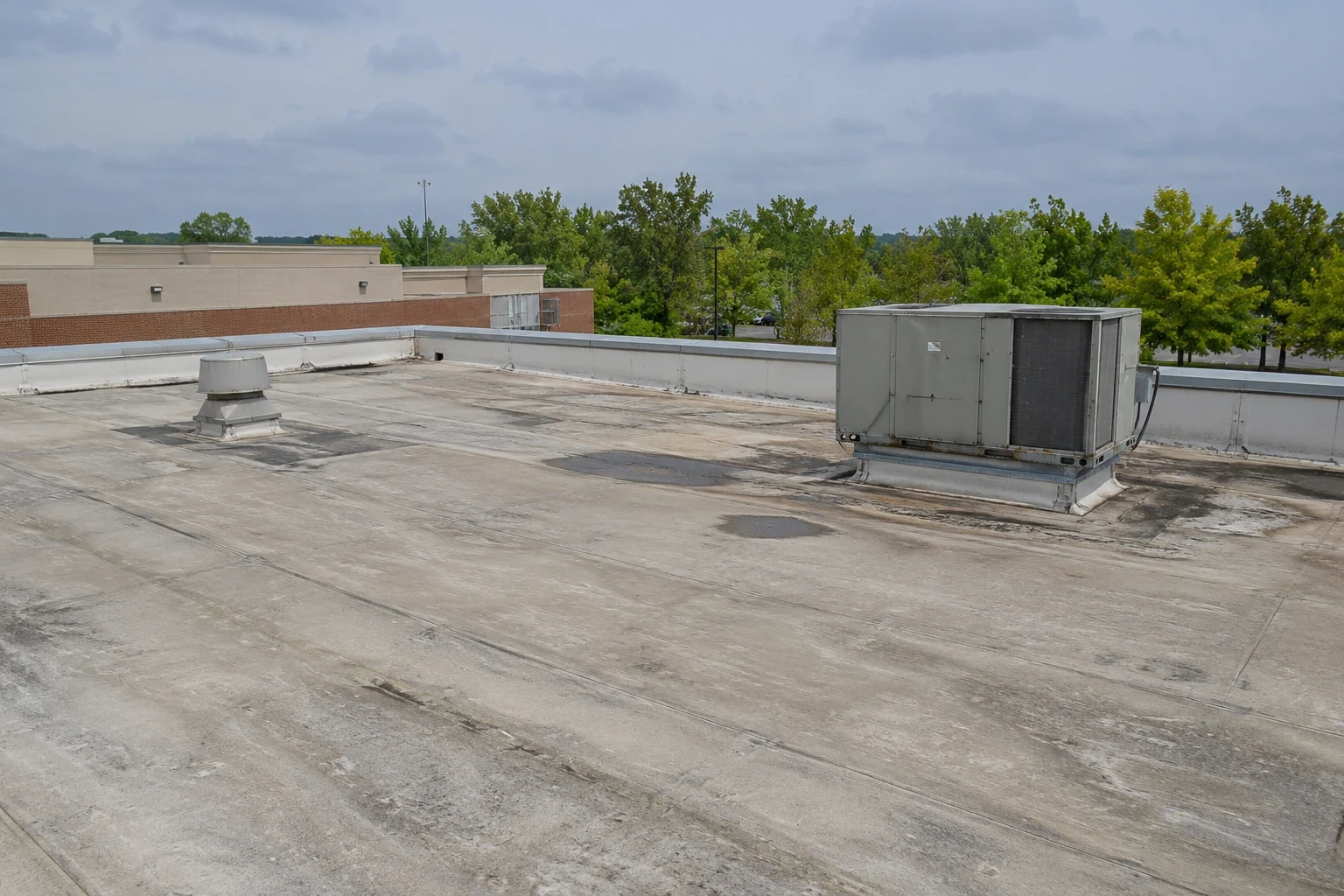
Refrigeration lines, electrical supports, exhaust equipment, and service paths create roof details that need regular observation. We inspect curb flashing, pitch pans, conduit supports, seams, and the membrane around any rooftop unit. A leak near a cooler does not prove the unit caused it; water may travel along a deck or insulation before appearing inside. We compare the report location with roof photographs and note whether moisture testing or a small opening is needed to confirm the repair limit.
A curb and equipment support repair should preserve both the roof transition and the unit's service access. We map which equipment must remain available while a crew is on the roof. For a recurring leak, a commercial roof inspection can record the surrounding seams, drains, and flashings instead of applying sealant around the first visible point.
Water may collect at a low area, pass a drain strainer, and reach a cooler ceiling several bays away. We trace the roof's drainage path, record any ponding visible during the walk, and check the membrane where outlets meet the field. A blocked drain needs a different response from a seam failure or a damaged flashing. If the outlet is the confirmed defect, drain and scupper work should address the connection and leave the surrounding membrane tie-in clear.
The local IDB map identifies a broad Exit 4 Retail District, and the city names Wilma Rudolph Boulevard among Clarksville's main thoroughfares. Those are area references, not proof of a particular store's access or roof condition. Clarksville retail sales were $3.621 billion in 2022, a city-wide sector measure. For a grocery location, operating hours and delivery access still need to be checked at the actual property before we set a lift or close a loading route.
Roof work near receiving can place a lift, delivery truck, or debris container in the same space. We confirm delivery windows, customer doors, fire access, pedestrian crossings, and any area below the work zone before mobilizing. If a store needs a door or refrigeration route kept open, that requirement belongs in the phase plan. The facilities contact gets a defined work boundary and a daily handback, including any temporary protection that remains after the crew leaves.
A preliminary Clarksville hail survey in May 2024 reported estimates as large as three inches; check the grocery roof's units, skylights, and membrane before assigning storm damage. That regional context supports checking exposed rooftop equipment, edge metal, and visible impact marks after a storm, but it cannot establish damage at a grocery store. When a storm repair is needed, we document what the roof shows and separate temporary dry-in from permanent work. A shopping center roof plan can help with shared tenant access, while grocery work also tracks refrigerated equipment service and product areas. For a big-box retail roof, the same handback may instead center on a broad sales floor and larger delivery staging area.
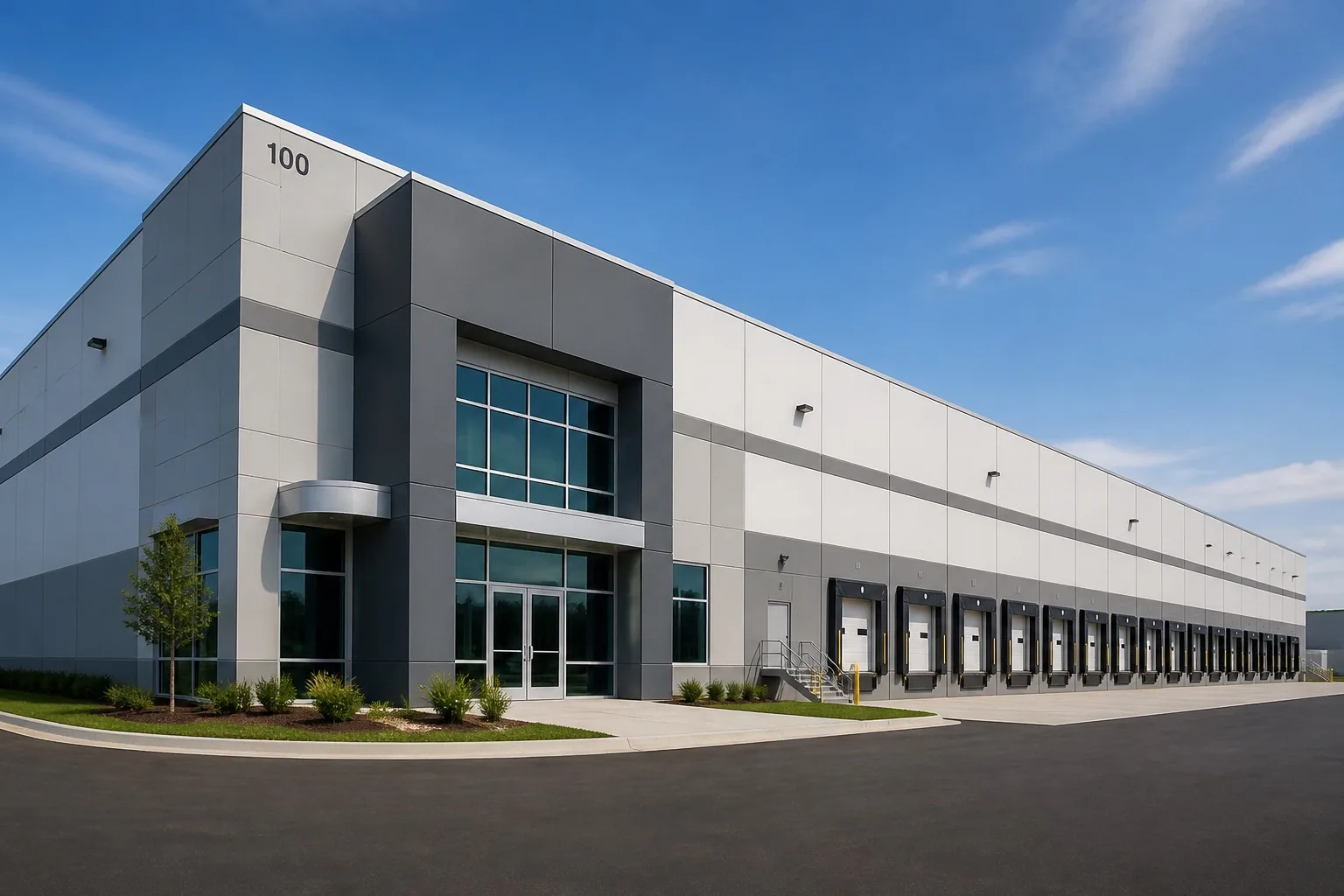
Localized work may be enough when a confirmed opening has sound material around it and the repair can tie into stable membrane. Repeated leakage, wet insulation across zones, failing seams, or broad drainage trouble calls for a wider evaluation. A recover is considered only after the existing assembly, attachment, moisture, deck, and code conditions are reviewed. We label what is known, what needs testing, and what each option would include before the owner selects a scope.
Timing and cost can change with equipment resets, refrigeration service coordination, deck repair, insulation removal, loading access, edge metal, disposal, and rain protection. We break those items out by roof area. A TPO system review should account for seam details and equipment transitions, not only the field membrane. If the roof is nearing a capital decision, a maintenance program can track drains, patches, and curb details between larger projects. Replacement is not assigned from a store's use or footprint; it follows observed conditions.
We compare the interior location with seams, drains, curbs, supports, and roof transitions above it. Water can travel before it reaches the ceiling, and a dry unit exterior does not identify the leak path. The inspection records visible evidence, then recommends moisture testing or an opening only where it can answer a specific question.
We schedule the lift and material handling against the receiving calendar, then mark any loading area that needs to stay available. If a zone must be restricted, the store contact receives the timing and handback before crews mobilize. Work can move by roof section when the access route and protection plan support that sequence.
No. Regional reports are useful context for inspection, not a finding at an individual store. We document impact marks, edge movement, open seams, or other visible conditions at the property. If the evidence is limited or concealed, we identify the next test before assigning repair quantities or discussing replacement.
The scope should name the curb or support, membrane transition, service clearance, and any unit access restriction. It should also state how the opening will be secured and which party can confirm the equipment route is clear. If equipment must be moved or disconnected, that coordination belongs in the schedule before roofing begins.
A bounded defect with sound surrounding materials may support a localized fix. When moisture, drainage, or seam problems extend into other zones, the work should be mapped before the owner chooses a larger scope. We separate confirmed conditions from test items and show what each option includes, including protection and handback.
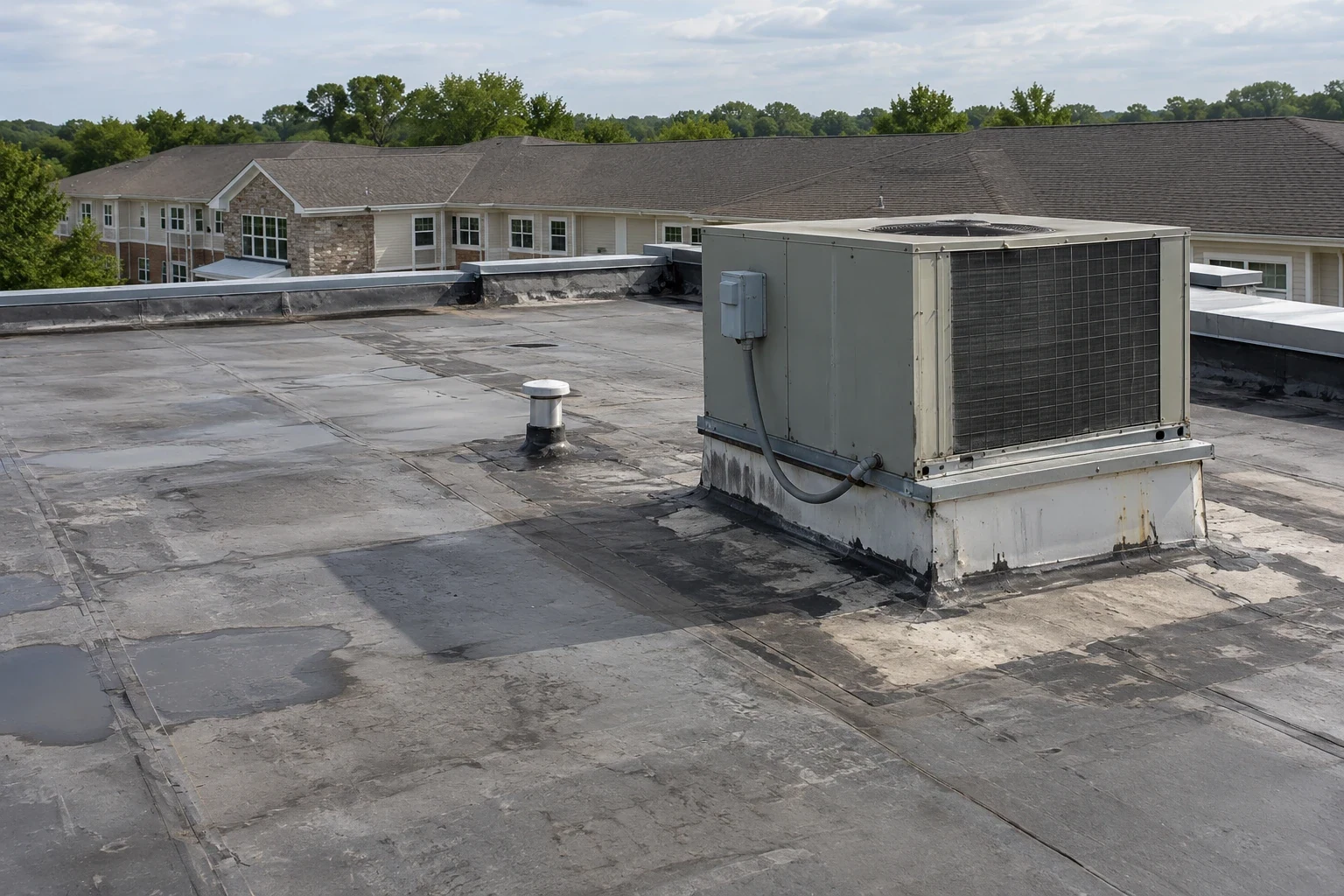
Before leaving, we record which roof sections are complete, what opening has temporary cover, and what must be checked before the next rain. Photos identify seams, curbs, drains, and material boundaries. The handback names any customer or receiving route that remains restricted and who should confirm it can reopen. If a cooler or rooftop unit needs service access, the next crew knows where the route stays clear.
After rain, a return visit can inspect the same repair edge and observe whether the drainage path is clear. We keep that check with the original photographs and interior report, so a later service call can distinguish a new issue from the prior condition. A commercial roof repair scope can be coordinated with the store's operating schedule and confirmed work boundary. Share the affected departments, refrigeration access needs, and delivery periods when scheduling a roof walk in Clarksville. Naming one facilities contact for each shift helps keep the opening protected and the next access decision visible.
Tell us where water is showing, which refrigeration or delivery routes must stay available, and what store hours affect access. We will inspect the related roof zones and prepare a repair sequence with clear protection and handback points.