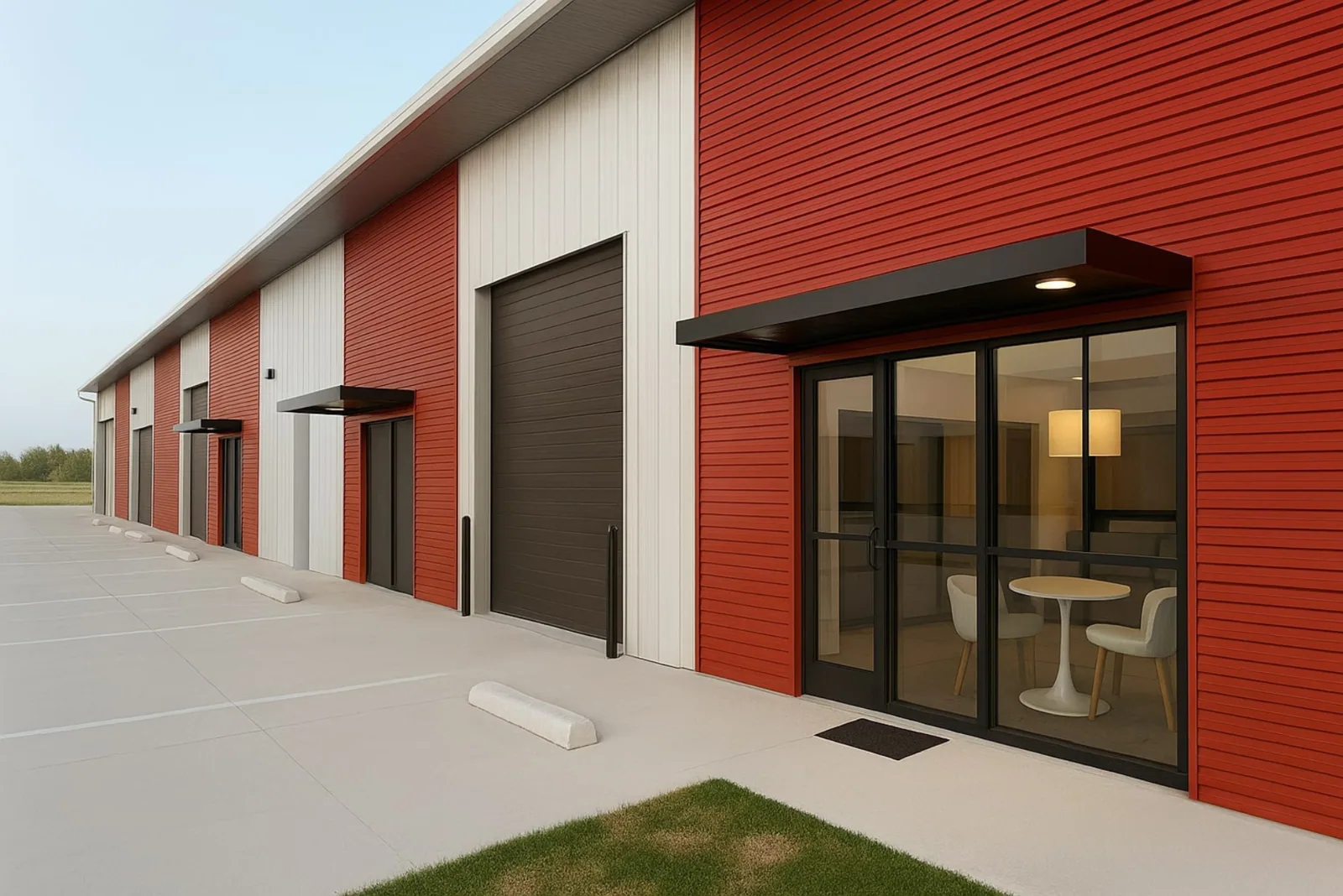
Wind-driven rain can turn a small opening over a sales floor into an interruption across several departments. For a big-box store, we start by matching the reported location to the roof plan, then trace seams, curbs, drains, and edge details before choosing a work boundary. A large uninterrupted field can still have separate drainage areas, later equipment additions, and perimeter transitions that need different repairs. We coordinate the lift route, loading activity, customer entry, and the daily handback before any section is opened. Clarksville's weather record includes an EF3 tornado that crossed the area in December 2023, a reason to inspect wind-facing edges carefully, not proof that any store has damage.
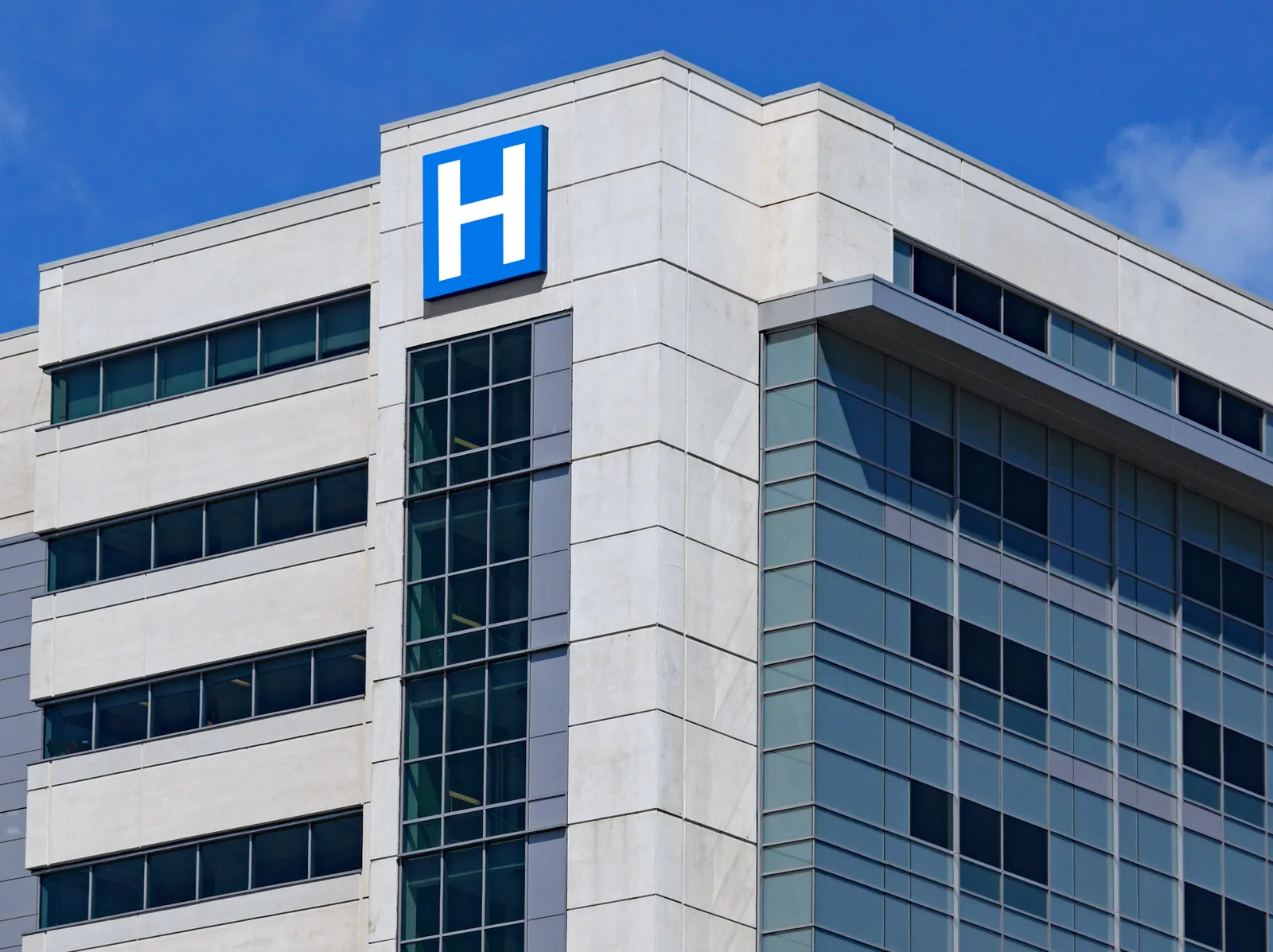
We mark drainage areas, equipment rows, parapets, skylights, and expansion transitions so observations can be tied to a precise section. A ceiling report from a display area may sit far from the roof entry point. We compare the interior location with seams and penetrations overhead, note the possible path, and photograph both the detail and its roof-zone context. If moisture testing or an opening is needed, that requirement stays separate from a confirmed defect.
A commercial roof inspection gives the facilities team a baseline for leaks, fasteners, flashing, and drainage. A shopping center roof map can present different access issues across connected suites, but a big-box building often needs its own lift and receiving plan. Each property gets findings tied to its actual use, not a generic label based on the store category.
For a wide roof, zone names should match the facilities team's plan and remain consistent from inspection through closeout. We note which unit, curb, drain, or perimeter run belongs to each reference. The same labels then appear in photographs and repair notes, reducing the chance that a crew opens a second area when the approved work was limited to one.
The December 2023 Clarksville-area EF3 tornado had estimated peak winds of 150 mph and a long documented path. A May 2024 storm also produced hail reports in Clarksville, with survey information marked preliminary. Those records put perimeter metal, edge attachment, seams, skylight protection, and rooftop equipment supports on the inspection route. They do not say that a specific store was hit. We photograph visible displacement or impact and identify the next check when surface evidence alone cannot establish the condition.
Clarksville's main thoroughfares include Wilma Rudolph Boulevard and Rossview Road, giving local teams useful orientation points for coordinating roof access. The building's receiving schedule and safe lift position still control the work route. If damage is visible, a tornado roof assessment records what is present, while claim documentation keeps photographs, dates, and repair scope together. No event report substitutes for a walk on the actual roof.
Big-box repairs often place materials, lifts, or debris near a loading zone that serves daily operations. Before work starts, we confirm delivery windows, customer entrances, fire access, pedestrian paths, and any area below the roof that must remain open. A roof boundary should have a matching ground-level boundary and a clear person responsible for reopening the route. If several sections need work, we stage the job so the store can see what is active and what has been handed back.
Clarksville's roadway plan lists Wilma Rudolph Boulevard as a public corridor; the fact provides orientation, not a prediction about traffic or a particular store's access. We coordinate entrance and dock constraints with the property contact rather than assume the route. An occupied-building reroof sequence can list the zone, temporary protection, and handback for each shift. A grocery roof project may add cooler service routes and delivery timing, while a big-box scope often centers on broader staging and customer separation.
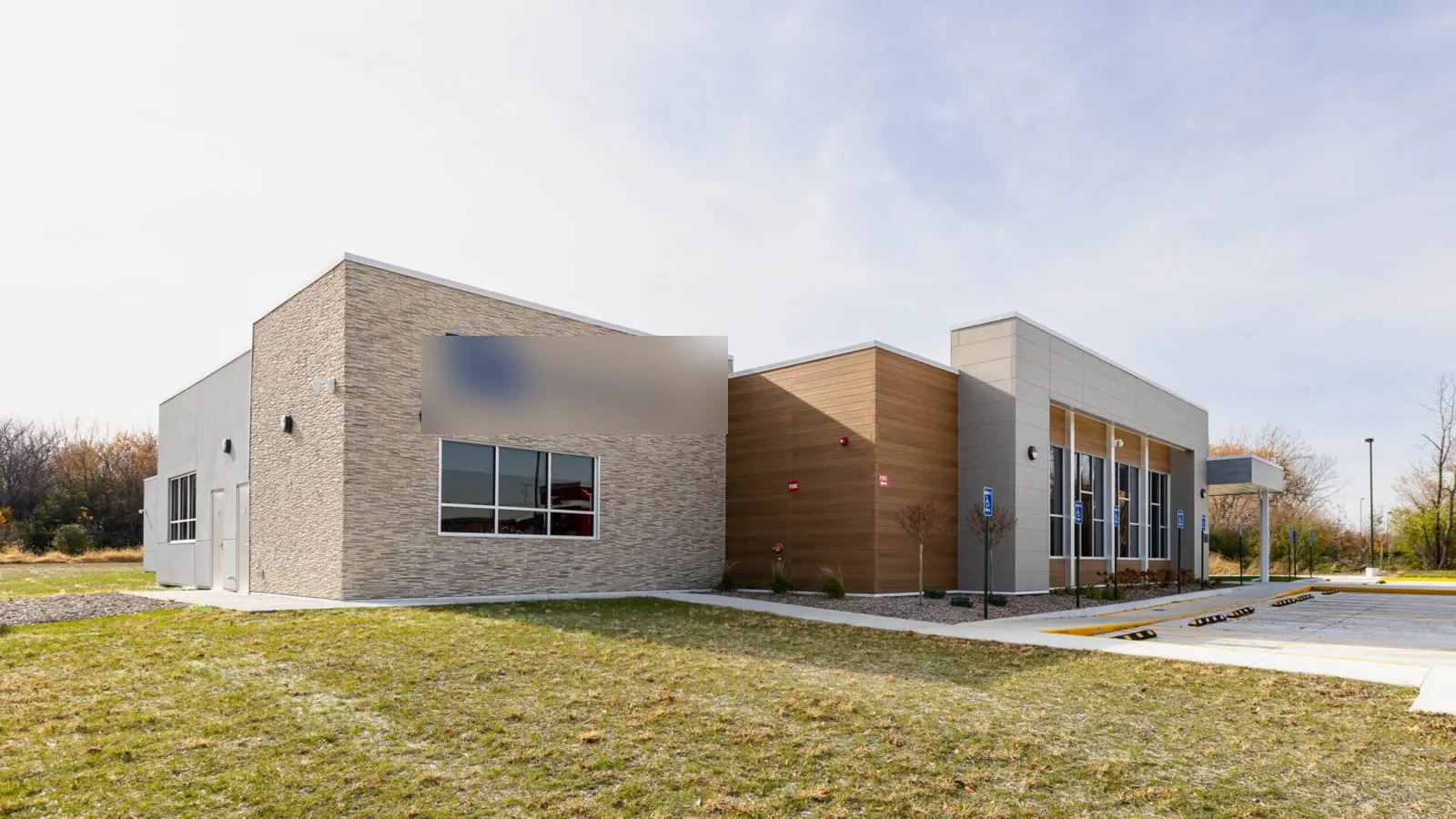
A patch can be appropriate when the opening is confirmed, adjacent material is dry and sound, and the tie-in reaches stable membrane. Replacement needs a closer look when moisture, failed seams, edge deterioration, or drainage trouble spans multiple zones. A recover may avoid tear-off only when existing layer count, attachment, moisture, deck capacity, and code requirements support that approach. We show where the evidence ends and where a test cut or additional survey is needed before finalizing quantities.
Costs and schedule depend on roof access, insulation removal, deck repair, equipment resets, perimeter details, waste handling, protection below, and the weather window. We separate those items by zone so the owner can compare proposals on the same assumptions. For a system that fits the existing assembly, review TPO membrane details alongside seams and attachment. Where an outlet is the confirmed issue, drain repairs may keep the scope narrower than a field replacement. The next decision follows observations, not a store's square footage or roof shape alone.
Water can move along a deck, insulation joint, or framing before reaching the interior. We compare the room report with drains, seams, penetrations, and equipment curbs above it, then mark the likely route. Photos and testing help narrow the repair zone; a test opening may be needed before concealed material is included.
We coordinate the lift, material drop, and ground work zone with the receiving calendar before mobilization. If a dock door or truck route must remain available, the work boundary and delivery window are planned around it. The daily handback identifies the path that is open and any protection that stays in place.
Repeated repairs become less useful when failures recur across zones, insulation is wet, drainage remains poor, or perimeter details have widespread deterioration. We document the extent and distinguish confirmed conditions from areas that need testing. The owner can then compare a larger replacement scope with the cost and disruption of more localized work.
No. They provide regional context for a targeted roof inspection, not a finding about an individual building. We record visible impact or wind-related displacement at the property and note any further testing needed. The repair scope follows those observations and does not assign a cause that the roof evidence cannot support.
The roof-zone map, delivery schedule, lift position, customer boundaries, access limits, and temporary protection plan should be set before mobilization. We record existing conditions with photographs, then use the same zone names for repairs and handback. This gives store staff a clear way to coordinate operations and return visits.
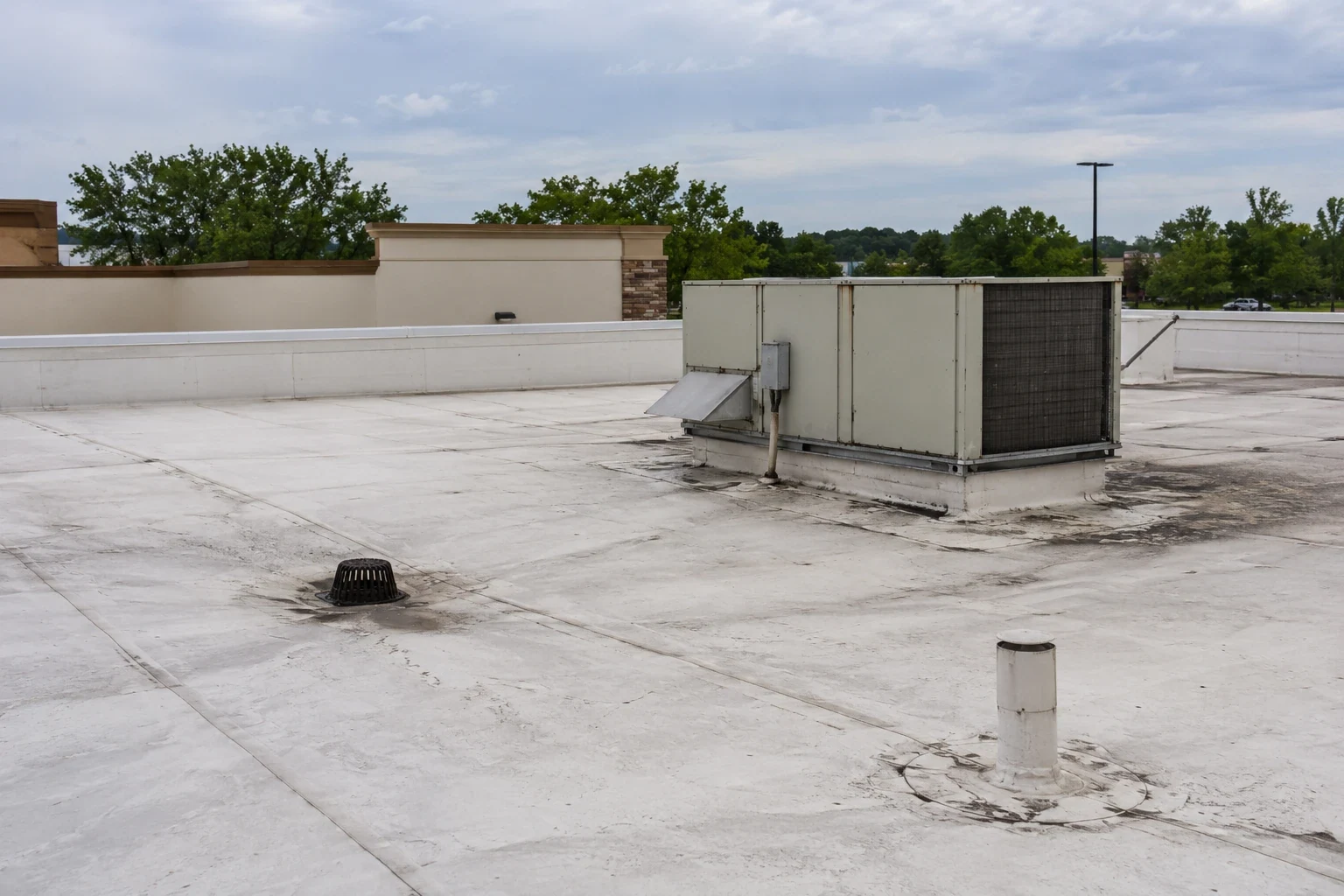
At day's end, the facilities contact should know what was repaired, what remains under temporary cover, and whether the receiving or customer route has reopened. We photograph completed transitions and label them by roof zone. The handback also identifies material staged for the next shift, drains that need a return check, and any area that could not be reached safely. A short list with locations is easier to act on than a general completion note.
After rain, a follow-up can check whether the repair stayed secure and runoff clears along the documented path. Keep that observation with earlier photographs so future maintenance staff can compare the same seam, curb, or drain. The record is more useful when it separates current findings from recommendations. If your Clarksville store has an active leak or a planned capital window, share the affected department, loading restrictions, and access route. We will set a roof walk and prepare a scope that matches the building's operating hours.
Share the affected roof zones, loading windows, customer access needs, and any active interior reports. We will document the roof condition, agree on a safe work boundary, and outline a repair or replacement sequence with a clear handback.