
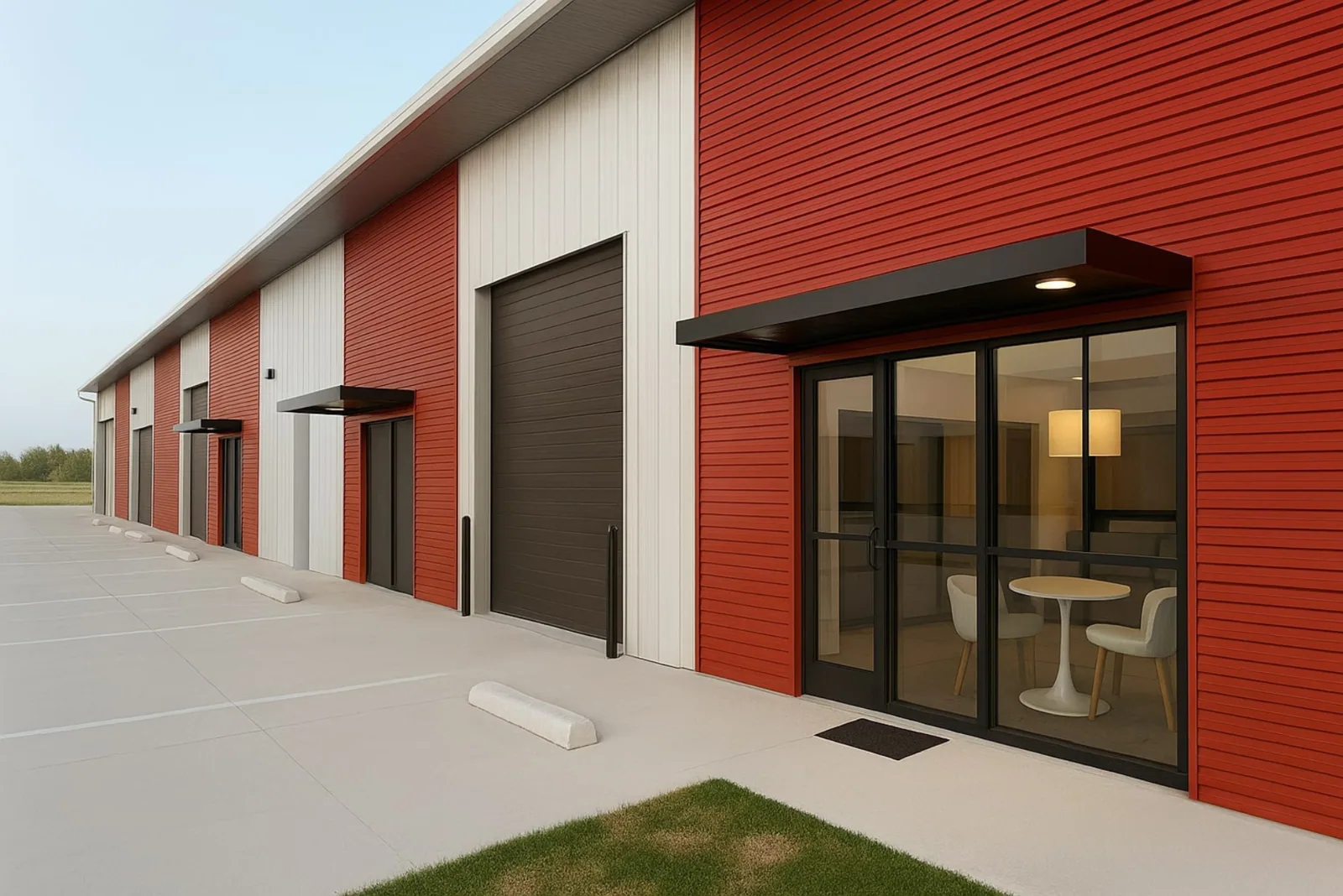
Rain on a connected strip-center roof can move beyond the tenant bay where water first appears. Clarksville's retail sales totaled $3.621 billion in 2022, a city-level measure that points to the scale of commercial activity, not the number or condition of shopping-center roofs. Our inspection follows water across the roof plane, parapets, storefront transitions, drains, and rooftop equipment before we set a repair boundary. Then we coordinate the work zone with tenant entrances, deliveries, customer circulation, and the hours when a storefront cannot be blocked. The owner gets a scope that names the affected bays, temporary protection, and daily handback, rather than a vague instruction to patch the center.
Shopping centers often have roof areas that meet at party walls, parapets, canopies, equipment curbs, and later additions. We record each transition and connect it to the tenant space below. A leak may travel sideways from a failed flashing or drain before it appears indoors, so the visible ceiling mark is a starting point rather than the full repair limit. We photograph the detail and surrounding field, mark nearby seams and penetrations, and note whether moisture testing or a small opening is needed.
A commercial roof inspection can separate a single-bay repair from a broader issue across several suites. A grocery store roof may bring delivery and refrigerated-equipment access into the same property map, while other tenant spaces have different hours. The roof plan should show which drains and edges serve more than one tenant, since those details can affect a wider portion of the property.
Clarksville's city FAQ identifies Wilma Rudolph Boulevard as one of its main thoroughfares, and the area's commercial activity makes access planning part of many retail roof projects. On the roof, the inspection still turns on what is visible: low areas, clogged strainers, open laps, punctures, and water paths around curbs. A blocked outlet can hold water near a seam or parapet; a patch that ignores the drainage path may leave the same condition in place. We trace the route toward each drain and record where ponding remains after rainfall.
Spring Creek Parkway is described by the city as a planned connection between the Exit 1 growth area and Governor's Square commercial district, intended to add capacity and relieve pressure on state routes. The IDB map also marks the Exit 4 Retail District as a multi-property area, useful context for retail roofs without identifying any tenant's building. Those broad references can inform delivery conversations; roof observations remain specific to the center. When an outlet or scupper is the confirmed defect, drain and scupper repairs should identify the connection and water path. If several roof sections share a recurring leak, compare the repair boundary with a replacement evaluation before work expands bay by bay.
Material lifts, dumpsters, and overhead work can interrupt an entrance even when the roofing zone is small. We confirm storefront hours, loading access, fire lanes, walkways, and any shared corridor that needs to remain open. If one tenant has a delivery window that cannot move, the crew route and staging area should be set around it before mobilization. We mark the ground-level exclusion area and tell the property contact when it can reopen. That gives tenants a practical notice tied to the work instead of a broad all-day closure.
When multiple suites remain open, a phased occupied-building reroof sequence can isolate a section, protect the opening, and state the handback for that shift. A big-box retail roof usually has different roof spans and access logistics than a row of connected storefronts. The distinction affects staging, drainage observations, and how much of the property can be placed under one work boundary.
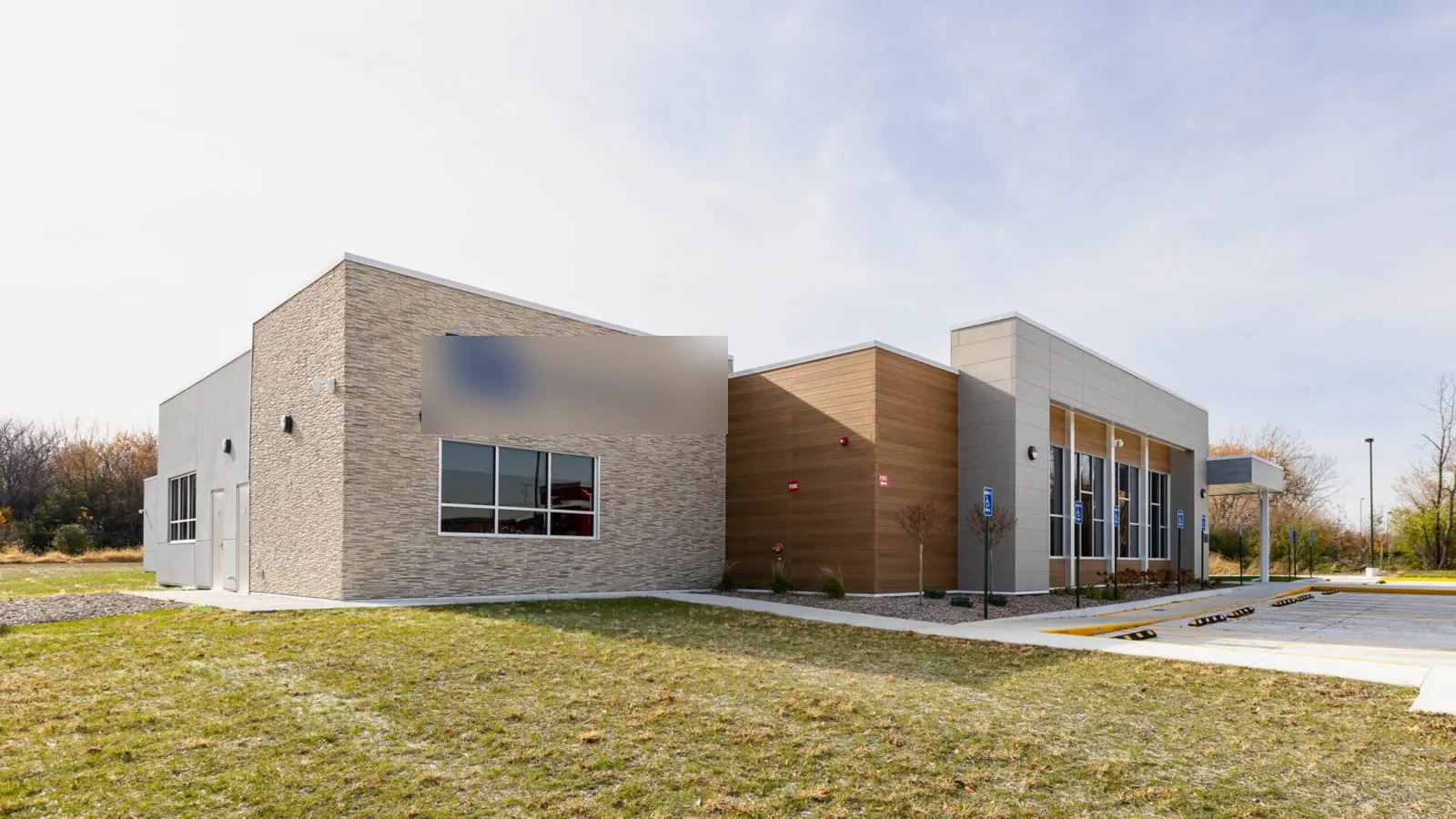
A repair is a reasonable starting point when the opening is confirmed, neighboring material is sound, and the tie-in can be made watertight. If wet insulation, failed seams, deteriorated edge metal, or poor drainage appears across multiple bays, we compare that evidence with replacement or a recover review. A recover is not selected by appearance alone; the existing layers, attachment, moisture, deck condition, and applicable code questions need to be reviewed first. The proposal separates observed findings from conditions that require a test opening.
Cost and timing move with lift access, deck work, insulation removal, tenant protection, equipment resets, edge details, disposal, and the weather window. We list those drivers by roof zone and state how concealed conditions will be documented before added work begins. For a membrane roof, TPO system details can be compared with the existing assembly and tenant schedule. If only selected areas need funding first, a roof capital plan can rank conditions without treating every suite as the same priority.
We trace the roof path around the reported suite, then inspect nearby seams, walls, curbs, and drains. Water can move laterally before it enters a ceiling, so the scope follows confirmed conditions rather than the tenant boundary alone. Photographs show the affected roof zone and identify any test needed before the repair limit is final.
We plan lift placement, material delivery, debris handling, and the ground-level work zone with the property contact. Entrances and fire lanes that must stay clear are marked before mobilization. A phased sequence can move by roof area, with a daily handback and a notice tied to each storefront instead of a center-wide restriction.
Not automatically. We identify which roof sections feed each outlet and inspect the drain, surrounding membrane, and adjacent transitions. If the drain is shared, the scope can address that connection while keeping a tenant's interior report tied to its own evidence. The map helps determine which areas should be checked together and which remain separate.
The existing assembly, moisture, attachment, drainage, and condition of transitions need to be understood first. We document those items and identify where a test opening is necessary. If the roof supports a coating or recover option, the proposal should show preparation, tie-ins, and excluded areas. If widespread wet material is present, a replacement comparison may be more useful.
We provide the property contact with the affected roof zone, expected work window, entrance or loading impacts, and end-of-shift handback. A repaired section is photographed, and temporary protection is named if permanent work remains. The owner can relay one clear update to the tenants whose access or operations are affected.
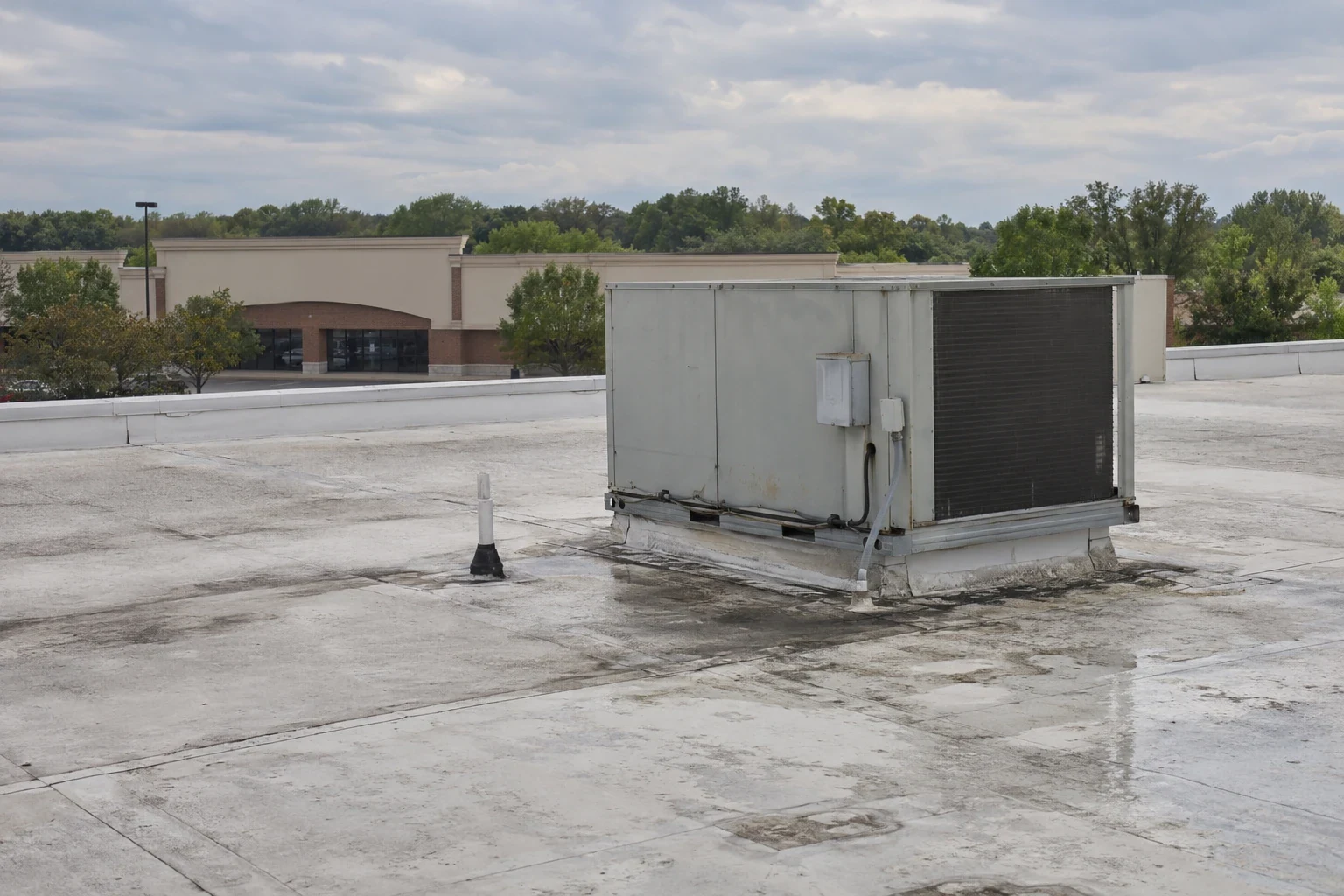
At each day's close, the property contact should know which roof zones are watertight, where temporary protection remains, and whether any storefront route is still restricted. We label the work area, photograph its repaired detail, and note drains or transitions that need another check. If rain enters the forecast before permanent work resumes, the handback identifies the secured area and the next inspection point. The owner can then pass a specific update to tenants and maintenance staff.
After the repair, a follow-up can compare the same roof seam or drain with the original photographs and check whether the drainage path clears. Keep the report with the suite map and repair records so a later call does not restart without location context. To set a roof walk in Clarksville, send the affected tenant bays, operating hours, roof access route, and any delivery restrictions. We will document the condition, coordinate the staging boundary, and give the owner a practical next scope.
Tell us which tenant spaces report water, what entrances or delivery periods must stay clear, and where roof access is available. We will trace the drainage path and build a repair sequence around the property's operating hours.