
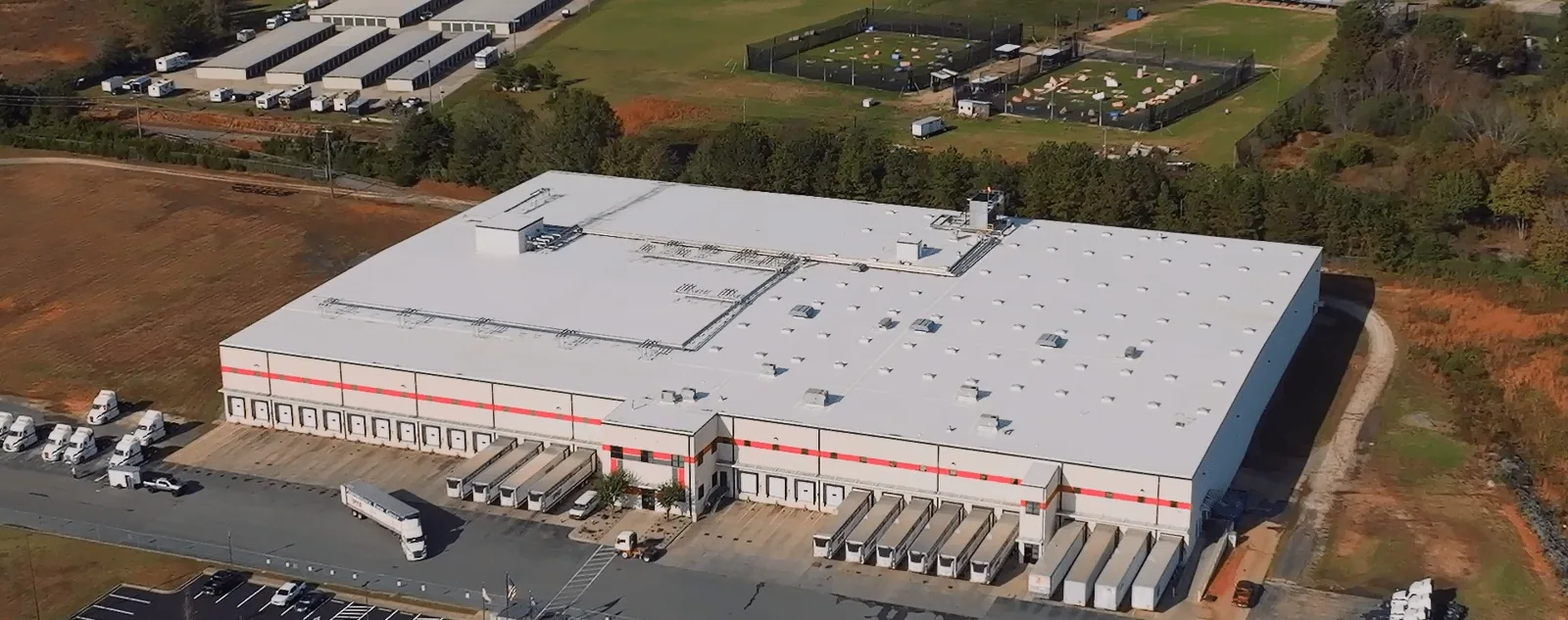
A spray polyurethane foam roof is a shaped insulation layer protected by a coating, so the first inspection looks beyond the visible topcoat. In Clarksville, rainfall occurs throughout the year and summer heat shapes the work window. We examine the foam profile, coating condition, drains, penetrations, and transitions to determine whether a localized repair, recoat, or broader renewal is supportable. The city's industrial map identifies North Park, East Park, and South Park as multi-property employment areas tied into the local road and rail network. Those districts have different operating demands; the roof walk records the actual building and schedule rather than assuming one foam condition across the market.
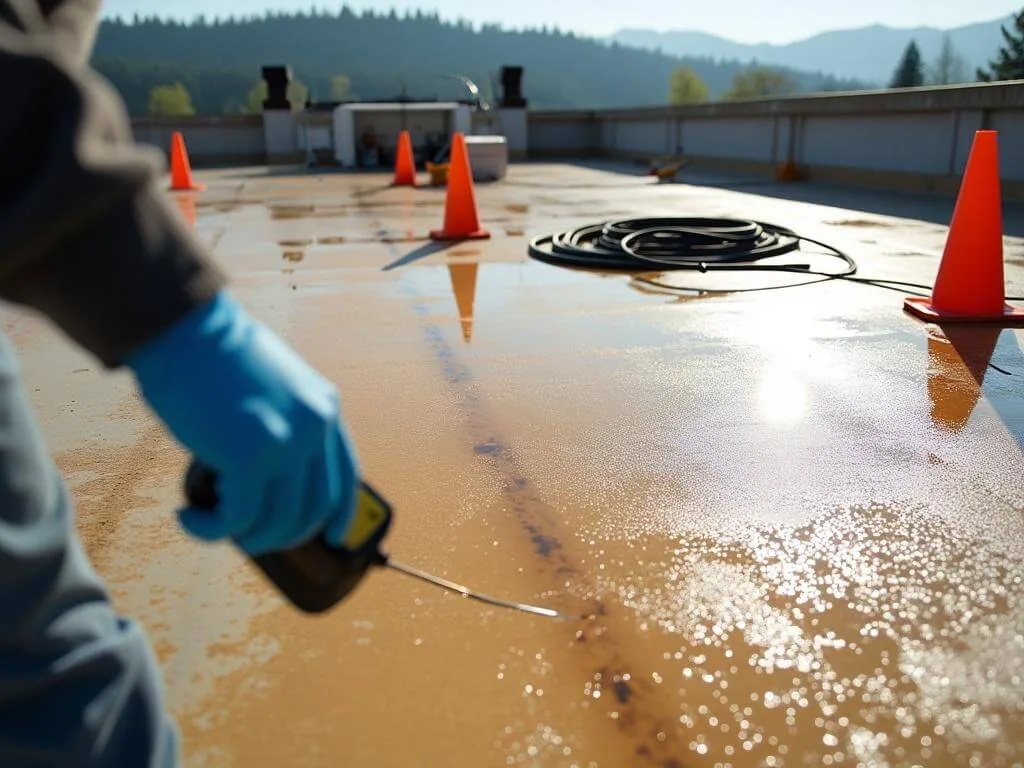
We read the roof in sections, looking for coating wear, open splits, blisters, exposed foam, impact marks, and irregular low areas. The foam profile directs water toward drains, so a ponding area can point to a shape or outlet issue rather than a coating defect alone. Around curbs and penetrations, we check whether the foam and coating turn up cleanly and remain continuous. The report maps each finding and notes where a small opening or moisture check could change the repair boundary. We do not infer the condition beneath an intact coating from appearance at the roof edge.
Clarksville's long-term normals show average precipitation of 5.50 inches in May, the largest monthly amount in the table, and 4.31 inches in November. That local rainfall pattern makes the drain path and the daily close-in limit useful planning details. A roof-drain and scupper review traces water from the low area to the outlet. A commercial roof inspection records the foam surface, coating, and surrounding details before a recoat quantity is set.
The coating shields foam from sunlight and weather. We inspect for erosion, cracking, loss of adhesion, exposed foam, and repairs that do not tie into the original surface. A recoat depends on a sound substrate, compatible material, preparation, and enough remaining coating life to support another layer. We identify sample areas for adhesion or thickness checks when they will affect the proposal. If the foam has absorbed moisture or the profile has failed, adding a coating can hide rather than resolve the issue. Repair notes state whether the work is surface restoration or a deeper foam correction.
July and August mean temperatures in Clarksville's 1991-2020 normals are 79.4 and 78.7 degrees Fahrenheit. Those readings are city climate data, not roof-surface temperatures, but they support planning for material handling and cure conditions during warm periods. The facility contact and crew set a weather window that protects fresh work from rain and dust. For coating choices, a silicone coating review and an acrylic coating comparison help frame how the water exposure, slope, and maintenance plan affect selection.
A small cut or puncture can be repaired when surrounding foam remains dry and stable. We remove loose coating and degraded material to a defined edge, restore the foam shape, and install a compatible protective layer. At a larger area, the work plan identifies transition lines and the condition that must be met before the area is recoated. When moisture is suspected, we compare the visible profile with interior reports and test information. A localized patch is not a substitute for correcting a blocked drain or recurring water path.
A severe-wind event crossed the Clarksville region in late 2023. Foam condition is determined by checking coating continuity, terminations, penetrations, and any exposed substrate. That event demonstrates severe wind exposure in the area, not the condition of a particular foam roof. After a wind event, we inspect coating edges, terminations, rooftop equipment, and impact points in a measured grid. A wind-damage roof assessment can document affected areas and temporary protection. We record what is visible and secure any active opening before preparing a permanent repair scope.
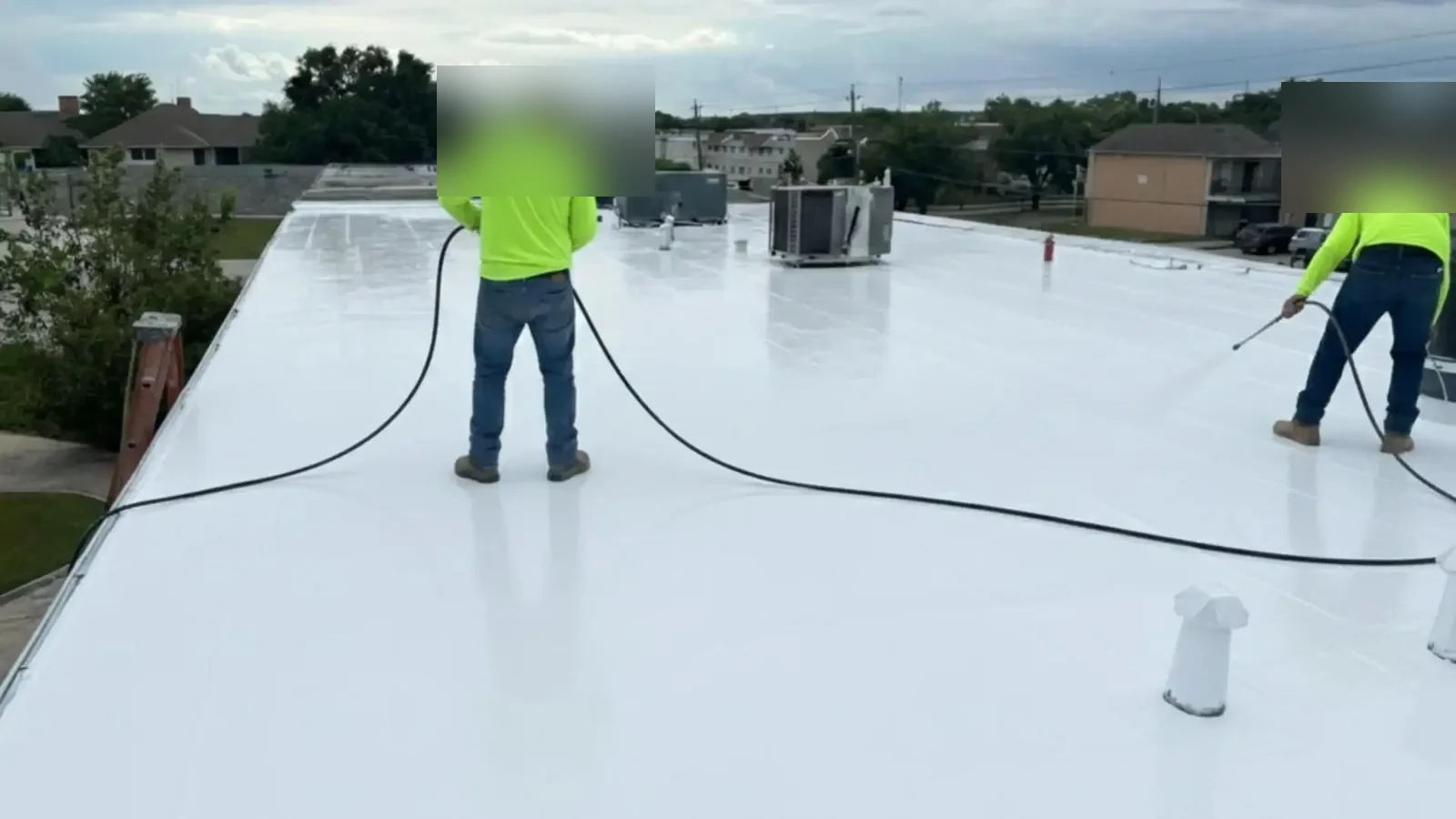
Foam application requires a prepared substrate, controlled equipment setup, and a clear exclusion zone. We confirm wind conditions, access, ventilation, nearby intakes, rooftop equipment, and the facility's operating schedule before spraying. The plan names the area to be covered, how overspray is controlled, and the crew's daily dry-in point. The facility contact identifies sensitive loading or tenant circulation so work can be sequenced away from those movements. If conditions change, we stop at the agreed boundary and protect the roof before resuming.
Clarksville's official road FAQ includes Fort Campbell Boulevard/US 41A, Wilma Rudolph Boulevard/US 79, and Warfield Boulevard/SR 374 among major routes. Those corridors help orient site access but do not tell us where a building's gate or roof hatch sits. We verify the actual entrance, truck path, staging area, and lift limits before materials arrive. For a facility that cannot pause operations, an occupied-building work sequence connects notifications, access control, and daily handback. A Trenton Road service-area visit begins with those same site details.
We map coating wear, exposed or damaged foam, drainage, penetrations, and any moisture evidence. A recoat is considered only where the existing surface is sound and compatible preparation is possible. Openings or test areas are recommended when they would change the repair boundary or renewal path.
It can be planned around occupancy when the facility approves access, ventilation controls, exclusion zones, and work hours. We confirm nearby air intakes and tenant movement, then split application into zones with a defined dry-in point. The schedule changes if weather or operating conditions make spraying unsuitable.
We trace the low area to its outlet and check whether the foam profile, drain, or obstruction controls the path. The scope may require drain correction, foam shaping, localized repair, or a broader design change. A new coating alone does not correct a drainage condition.
The regional storm record does not establish the condition of an individual roof. We inspect terminations, coating edges, equipment attachments, and impact marks, then document any opening or displacement. If wind has exposed the assembly, we secure it and record the permanent repair needed.
It should show the roof zones, coating condition, drain paths, repairs, test locations, and photographs tied to a date. We note areas that need observation and the condition that would trigger a new review. That record helps compare coating wear without relying on memory or a broad age estimate.

Foam roofs can be maintained through documented inspection and timely coating repair, but the choice to recoat depends on foam condition, coating adhesion, drainage, and remaining detail life. We compare the cost drivers qualitatively: preparation, localized foam replacement, coating quantity, curb or drain work, protection, and access. The report identifies the surface areas reviewed, test results, repair limits, and conditions that should trigger another inspection. Owners receive a roof map and photo set that can be compared at the next visit.
When foam or substrate conditions no longer support restoration, a replacement scope may be more practical than another coating. We identify removal limits, deck review, insulation, flashing, and how the building stays protected during the work. Our roof asset planning can place those findings beside other building priorities, while a coating restoration assessment records whether a maintenance route remains available. Emergency response is available at any hour, including weekends and holidays, to secure an active opening and leave a clear handback note.
Share roof plans, leak locations, and operating constraints. We will inspect the foam, protective coating, drains, and transitions, then document whether repair, restoration, or replacement fits the building.