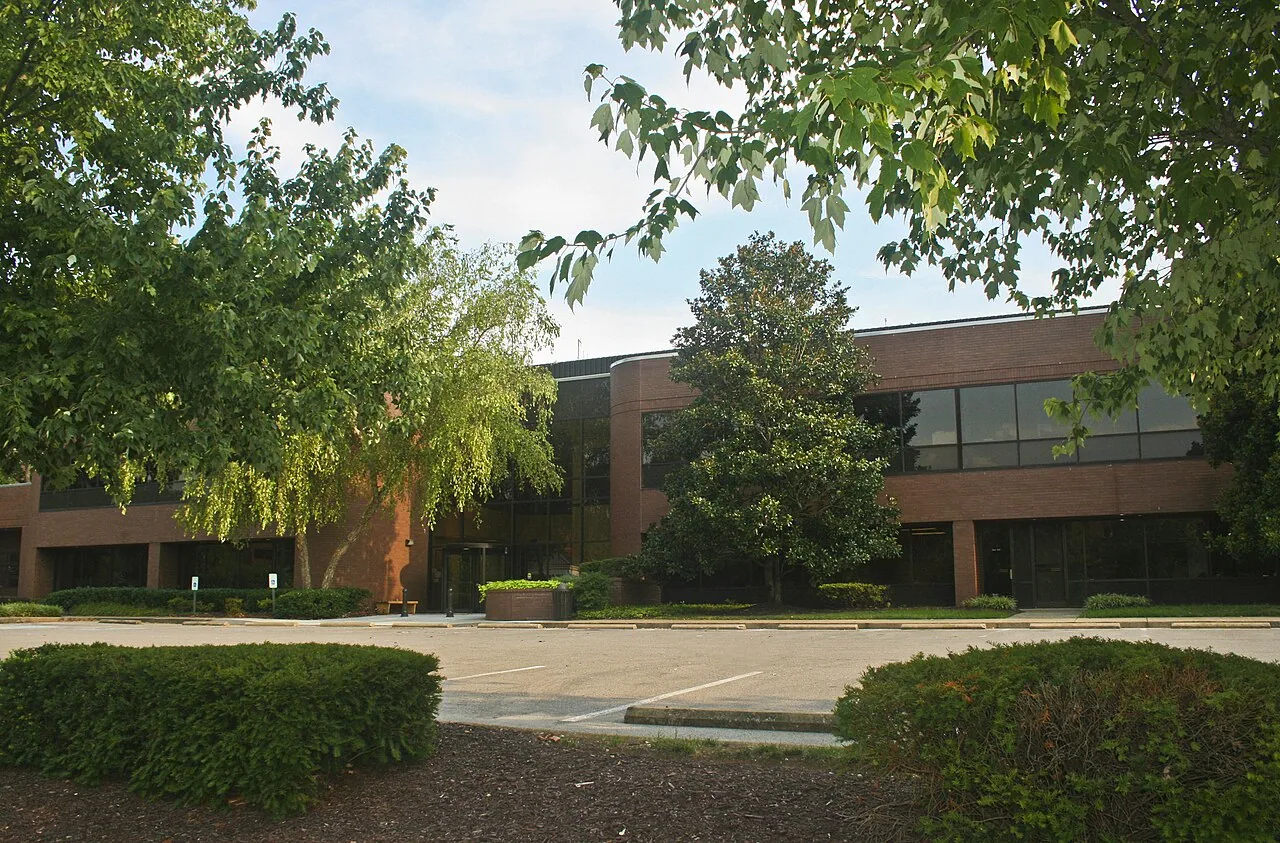
A hot surface can change the order of roof work on Dunlop Lane. The mapped Dunlop Lane collector section ties into Wilma Rudolph Boulevard and continues toward the county line, which gives dispatch an area reference rather than a site address. We confirm the building's access plan, assembly, and active leak or capital concern before placing a crew. Then we check the roof zone, note the installation conditions, and agree on a daily close-in that keeps operations protected.
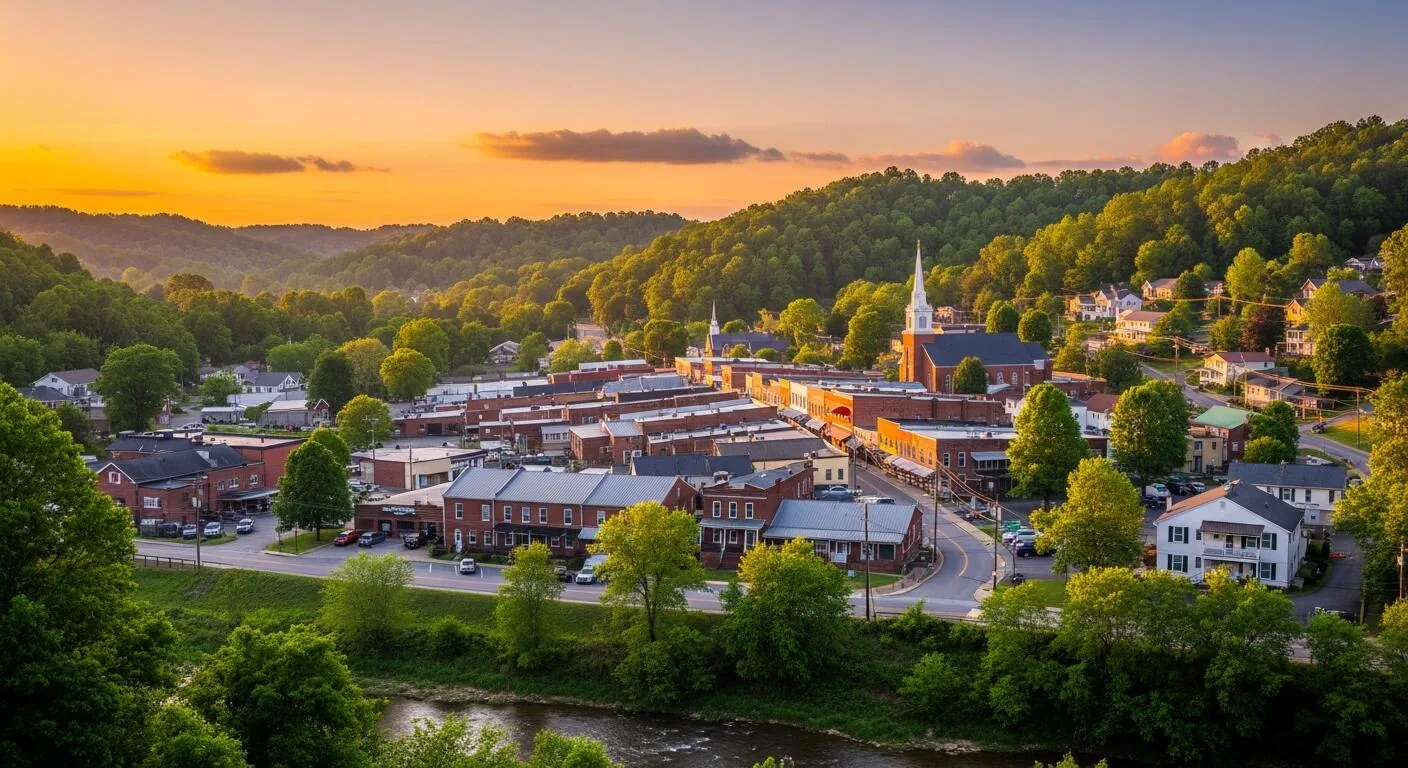
Clarksville's July mean temperature is 79.4°F; the August mean is 78.7°F, and precipitation appears in both monthly records. Those normals belong to the market city, not to one roof or a specific workday. We check the actual surface, moisture, wind, and product instructions before using adhesive, coating, or membrane materials. The crew stages only compatible supplies and limits the open area to the time available for preparation, installation, and inspection.
On an existing roof, heat can soften some materials while moisture beneath a membrane can remain hidden. We inspect seams, fasteners, perimeter metal, curbs, penetrations, and drains before choosing a repair method. An inspection with roof-zone photographs records what is visible and any limit that requires testing. If a surface sample or test opening would change the decision, we establish its location and restoration method before cutting.
The climate table's May figure is 5.50 inches, while November is 4.31; the other months also record precipitation. A small dry window is not permission to leave an unfinished edge. We prepare the tie-in in advance, keep drains and overflow paths clear, and identify a close-in point that the crew can meet. Staff receive the work boundary and the person who accepts the handback before the shift ends.
Clarksville's December 2023 tornado record describes a regional event with estimated peak winds of 150 mph. That context makes an edge and attachment check relevant, but it does not establish damage on Dunlop Lane. At the property, we photograph lifted membrane, displaced metal, impact marks, and interior reports as separate observations. A repair assessment distinguishes a temporary securement from work that restores the assembly.
Hail reports in Clarksville from May 2024 included estimates as large as three inches, with a separate two-inch report five miles south-southwest of town. Those reports do not describe an individual roof. When hail is reported, we document visible surface marks, penetrations, equipment, and any openings that could affect watertightness. We look for functional damage before recommending replacement, and record the area that needs further review if the visual finding is inconclusive.
An urgent call can start with a safe-access review and a bounded temporary dry-in; the permanent repair follows after the assembly is inspected. We secure the opening when safe access is confirmed, preserve the runoff path, and set the return check. The permanent work follows once the surface and selected materials are ready. A coating restoration review is considered only if the existing surface, adhesion, and moisture conditions support that system.
A repair should reach sound membrane, metal, or flashing beyond the visible failure. We remove loose material, prepare the substrate, and restore a tie-in that can be inspected before the section is covered. A drain, curb, or edge detail may need separate work if it is the source of entry. We describe the quantity drivers, including removal limits, access, staging, interior protection, and whether a test result changes the scope.
When failures recur in multiple zones or wet insulation reaches beyond the leak area, we compare a localized repair with recover and replacement. An overlay requires a suitable existing assembly, sound deck, acceptable moisture condition, and room for the new system at edges and penetrations. A recover evaluation checks those conditions before the owner commits to another layer. If removal is needed, a replacement sequence defines section boundaries, debris movement, and daily protection below.
Drainage must remain part of that choice. We check outlet height, overflow, slope, and whether added thickness will change how water reaches each drain. A drainage scope separates outlet corrections from the membrane work. It also identifies what needs a plumbing or structural review rather than a roofing patch. The owner can then compare alternatives with the same roof map and known operating restrictions. Where a coating is considered, we inspect the existing surface for adhesion, trapped moisture, open seams, and incompatible repairs before presenting it as an option. The scope identifies cleaning and preparation, repairs that must precede application, and details around curbs and drains. If those conditions cannot be corrected within the selected work area, a coating should not be used to conceal them. That check prevents a surface treatment from substituting for needed roof assembly work.
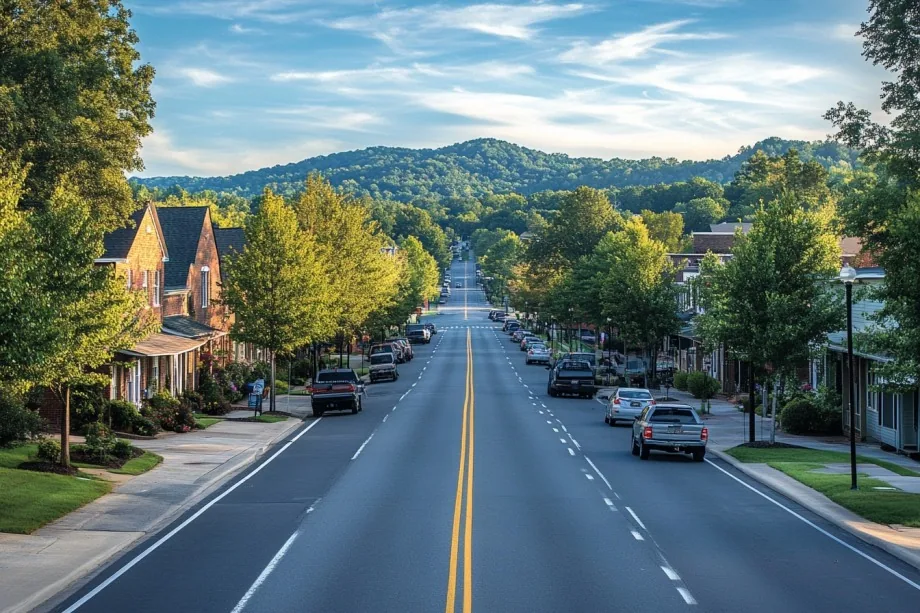
The route's mapped endpoints are Wilma Rudolph Boulevard and the county line, but the dispatch address still determines the gate and roof access. Those endpoints help dispatch locate the corridor, while the facility contact confirms the gate, hatch, lift position, truck route, and space for material staging. We verify overhead restrictions, fire lanes, loading activity, and tenant circulation before mobilization. If a delivery window changes, the site lead approves the route before materials move.
The broader Clarksville road network also lists Wilma Rudolph Boulevard and Fort Campbell Boulevard among its main thoroughfares. Those references orient dispatch, not roof access. Inside an occupied building, barriers below the work and noise limits need the same attention as the surface detail. A phased occupied-building sequence identifies how each roof area will be protected and when the facility accepts its return.
The actual surface and selected material requirements set the work window. We check temperature and moisture, stage compatible supplies, and limit the opening to what can be installed and closed safely during the shift.
No. Regional weather records set inspection context, but a roof walk must establish the condition at the property. We document attachment, membrane, metal, drainage, and interior findings separately.
After safe access is confirmed, we define a temporary cover, keep drainage available, and set a return check. The record states what is secured and what still needs a permanent tie-in.
The deck, moisture, existing layers, edge height, and drainage all affect recover suitability. We inspect those conditions and identify the test or removal step that would change the recommendation.
The facility contact confirms the gate, truck route, staging point, overhead restrictions, and loading window. We mark the material path and the area that must remain open before the crew mobilizes.
Before demobilizing, we check the completed tie-in, drains, edge details, and any temporary cover. Photographs show the work boundary and adjacent material used to judge whether the repair can stop. Notes list materials, test results, inaccessible areas, and any condition that remains outside the approved scope. The site contact receives the next inspection point and the person who owns the follow-up.
Those public-road references locate the corridor; they do not establish roof condition, which comes from the inspection at the owner's building. If the survey finds moisture or repeated movement elsewhere, we map those areas separately and identify what should be tested. That record helps a facility plan maintenance or capital work without treating an event report or street name as a diagnosis.
Send the property location, roof concern, and access limits. We will document the assembly, check installation conditions, and return a repair sequence with its daily close-in and handback points.