A ceiling report on Franklin Street needs to be matched to the roof area above it before materials are ordered. The collector corridor runs from Public Square to Reynolds Street, helping locate a dispatch without describing any particular property. We confirm the building, roof access, and occupied hours with the contact responsible for the space. Then we trace the drainage path, inspect the suspect details, and set a repair boundary that the facility can accept at the end of the shift.
We mark the room, ceiling area, equipment, and time of the leak report, then compare that information with drains, seams, penetrations, curbs, and wall transitions on the roof. Water can move through insulation before it appears inside. A commercial leak investigation photographs the likely entry path and notes where the evidence becomes uncertain. We separate the confirmed opening from any area that still needs testing.
At the roof level, each assembly has different failure points. A membrane lap can separate, a metal fastener can back out, or flashing can open at a curb. We check the surrounding material before installing a patch so the repair reaches a stable tie-in. A roof condition walk also records drainage, edge attachment, and previous repairs that may affect the scope. The owner sees what can be handled locally and what requires a broader review.
When a test opening is justified, we identify its location, purpose, and restoration method first. The result may confirm wet insulation, sound substrate, or a separate path to the interior. We map that finding by zone rather than carrying a guess into the full roof quantity. The written scope names the approval point so a concealed condition cannot expand the work without a facility decision.
The Clarksville precipitation table gives May a 5.50-inch mean and November a 4.31-inch mean; rainfall also appears in the remaining monthly record. We prepare the tie-in before removing material, stage what the crew needs, and limit the exposed area to the time available for a complete close-in. Drains and overflows remain clear. The handback notes any temporary cover, how runoff is directed, and who will check the area after weather moves through.
For an opening that needs prompt attention, we confirm safe access, contain active entry, and record which temporary measure needs a later check. The temporary work is mapped and photographed, with a follow-up condition recorded so it cannot be confused with a completed permanent repair. A lasting tie-in is scheduled once the receiving surface and chosen material meet installation requirements. A drain and scupper check can be scoped with the repair when the outlet or overflow route contributes to the interior report.
Clarksville hail reports from May 2024 include estimates up to three inches, with another two-inch report five miles south-southwest of town. That regional context does not establish what happened at a Franklin Street property. After a hail report, we photograph the surface, membrane seams, metal panels, curbs, and equipment, then distinguish visible marks from openings or loose details that affect the assembly. A hail damage review separates storm observations from existing wear.
Heat and rain also shape the installation sequence. Clarksville records a 79.4°F mean for July and 78.7°F for August, and each of those summer months also has precipitation. We check the actual surface, moisture, and product instructions before adhesive, coating, or membrane work. If a detail cannot be completed under current conditions, the scope sets a protected stopping point and return plan rather than leaving a loose edge for the next shift.
A single failed seam or flashing detail may support a targeted repair when adjacent material is sound. We identify removal limits, substrate preparation, compatible materials, and the tie-in that can be checked before covering. Repeated leakage, moisture across several areas, or a deteriorated deck can change the decision. A replacement scope sets removal, phasing, debris handling, protection below, and the daily dry-in point.
Recover can be compared when existing layers, deck, attachment, drainage, and edge height support another assembly. We verify those conditions before proposing a new layer or coating. The cost drivers include what must be removed, how materials reach the roof, interior protection, and the time each zone is unavailable. We show those details next to the field findings so an owner can compare options on the same basis.
A roadway name does not establish a roof system or building use. The service-area reference only helps orient a call; every repair starts with the actual assembly, reported condition, and access route. If the facility needs a second opinion on a broader capital decision, our report identifies which zones were inspected and which still require a test or design review.
Not always. Water can travel along insulation or deck before entering the room. We compare the report with drains, seams, and transitions overhead, then mark the likely path and any test needed to confirm it.
We prepare a stopping point, preserve the drainage route, and define a temporary cover before opening the surface. The handback states what was secured and who checks it after weather.
No. We document surface observations and check whether the assembly has openings, loosened details, or loss of function. The recommendation follows the property-level inspection, not a regional report alone.
Moisture across zones, repeated failures, or deck damage beyond the initial opening can require a broader scope. We map those findings and get approval before testing or removal adds work.
Photographs, repair limits, materials, test results, access notes, and open items are tied to the roof sketch. The handback identifies the next inspection point and the contact responsible for follow-up.
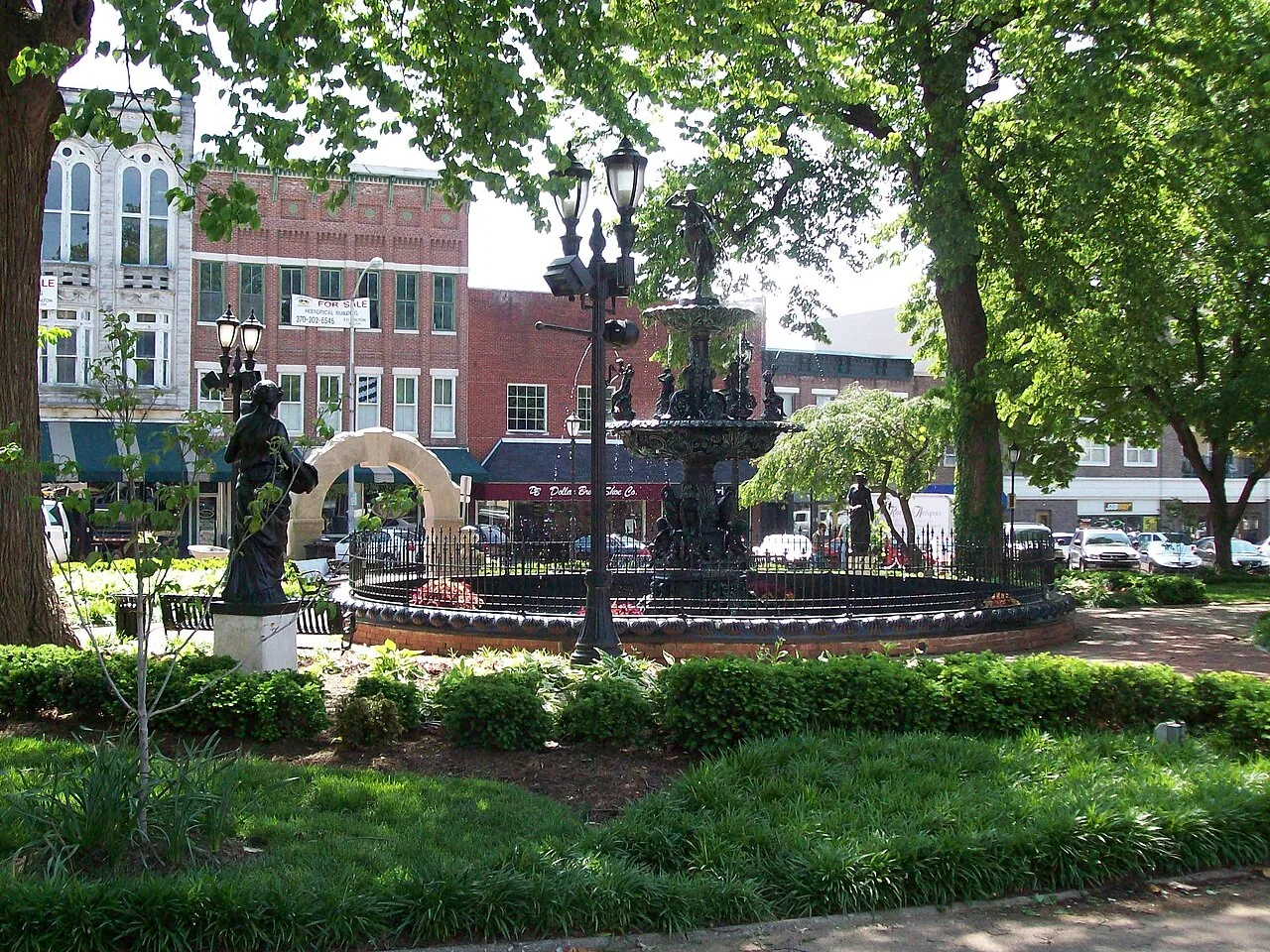
Franklin Street's mapped segment begins at Public Square and extends to Reynolds Street. We use those endpoints to orient dispatch while the property contact confirms the specific gate, hatch, lift position, loading window, and staging location. We check fire access, overhead conditions, tenant circulation, and any space below the repair that needs protection. The work plan identifies which route is approved for crew and materials.
Clarksville's main thoroughfare references include Madison Street and Wilma Rudolph Boulevard. Those roads help with area orientation but do not replace property access approval. For an occupied building, an occupied-roof sequence marks barriers, interior protection, noisy work periods, and the person who accepts the daily handback.
Before leaving, we record what was completed, what remains open, and the next inspection point. Staff can see whether the drain, seam, or flashing detail needs a check after rain and which area could not be reached. This is useful when the facility team changes shifts or coordinates several contractors during a roof project.
At closeout, we confirm the tie-in, drainage, temporary protection, and cleanup. Photographs show the repaired zone beside its surrounding material. We document materials, test results, access limits, and any item excluded from the approved scope. The person accepting the handback receives the next inspection point and the condition that should trigger a follow-up.
Public Square and Reynolds Street define the mapped Franklin Street collector corridor. The roof record remains attached to the property and assembly we inspected. If further testing identifies a wider problem, we map its extent and the approval needed before adding work. A photo condition record gives maintenance staff a useful baseline for a later inspection and keeps storm observations separate from unrelated roof maintenance.
Share the property location, room or roof concern, and access limits. We will trace the reported condition, define the work zone, and return a repair sequence with a clear close-in and handback point.