
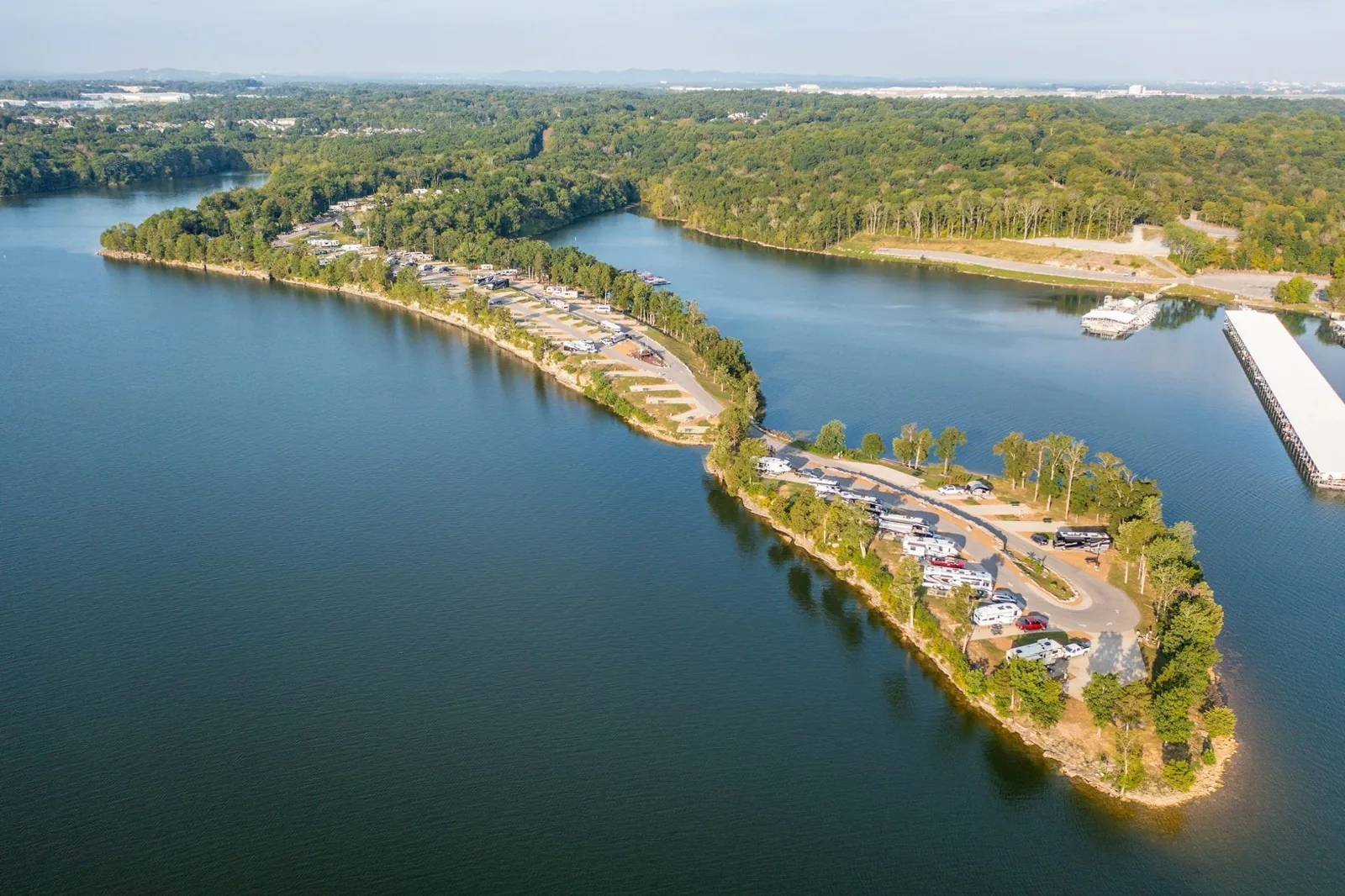
A drain that backs up during a roof repair can turn one work zone into a building-wide water problem. Along Riverside Drive, SR 12 runs from Cumberland Drive to 2nd Street, giving the facility team a corridor reference for dispatch. It does not identify a specific property, roof assembly, or entrance. We confirm those details with the owner, trace runoff from the affected area, and establish how the crew will protect the roof and interior while the repair is underway.
We start at the reported ponding or interior mark and follow the roof slope to a drain, scupper, or overflow path. The check includes debris, strainers, clamping rings, sealant, flashing, and the surrounding membrane. A clear outlet may still sit below a depressed deck, and a patch at the drain can fail if the flange or clamping detail is loose. A roof drain and scupper review records which condition is slowing flow and what correction can be isolated.
At a membrane seam or wall transition, we look for a gap that could let water bypass the visible wet area. Water may travel between insulation and deck, so we compare the roof observation with the room, ceiling grid, and equipment below. A hands-on inspection documents the likely path, photographs the details, and marks any limit that needs testing. The owner gets a repair boundary instead of a broad instruction to patch where the stain appears.
If water has reached insulation, we test only where the result changes the work. We identify the opening, protect the surrounding roof, and define how the test area will be restored before removal. The moisture boundary can then be compared with drains and seams on the same roof sketch. That record helps determine whether a local repair is sufficient or whether a wider zone belongs in a separate capital review.
In Clarksville's monthly series, the May average is 5.50 inches and November's is 4.31; the record shows rainfall outside those two months. We do not treat a forecast gap as a promise of a dry surface. Before opening the roof, we stage material, prepare the tie-in, and set the area the crew can close before conditions shift. Drain outlets and overflow routes stay available throughout the repair.
If an active opening needs immediate protection, our emergency roof response secures the area and documents its limits. We note where water can flow, what interior space needs protection, and who checks the temporary cover after weather. The permanent detail follows when substrate and surface conditions meet the selected material's requirements. A temporary dry-in and a completed repair remain separate items in the closeout.
A drain repair has to connect the membrane, flange, clamping ring, and outlet without trapping water at the transition. We remove unsound material, prepare the base, and install a compatible detail that stays clear of the water path. If the outlet itself is damaged, we separate that work from the roof membrane scope. A flashing detail review can also be useful where a nearby curb or penetration interrupts runoff and needs a continuous tie-in.
Repeated ponding, loose membrane across several zones, or soft substrate may call for more than a drain fix. We compare a targeted repair, recover, or replacement using the deck, insulation, existing layers, attachment, and access plan. The repair scope names the material to remove and the sound surface needed for the tie-in. If testing shows a larger boundary, the owner approves that change before the crew expands the opening.
Warm-season work also needs a surface check. On average, July is 79.4°F in Clarksville and August 78.7°F; accompanying precipitation values are 3.64 and 3.17 inches. We follow product requirements for temperature, moisture, and cure before covering a repair or returning the area to service. The work plan accounts for staging, protection below, and the hours the building stays occupied, so the crew can close the section without rushing the last detail.
Riverside Drive's mapped segment begins at Cumberland Drive and extends to 2nd Street. The corridor helps locate the call, but the property contact confirms the gate, roof hatch, lift location, truck path, and restricted spaces. We check loading activity and fire lanes before staging materials. If interior operations continue, we identify the area below the work zone and agree on protection and a daily handback.
A roof project can share a shift with another trade if the sequence is clear. We define who controls the hatch, how tools and debris move, and which roof sections must remain closed. For broader asset tracking, a photographic condition report ties drain, seam, and interior observations to one sketch. A planned maintenance visit can then revisit the same outlets before the next leak interrupts operations.
Before materials arrive, we agree on a receiving window and the path from staging to the roof hatch. The contact identifies equipment that cannot be shut down, areas where falling debris would create a hazard, and the interior route for any needed protection. We mark the work limit on a roof plan so the day shift and evening staff can see which drain or seam was touched. That handoff is useful when the next inspection happens after a rainfall, not while the original crew is still present. We verify the outlet before releasing the work area.
A depressed deck, loose flange, or membrane transition can slow runoff after debris is removed. We trace the full route to the outlet and separate drainage correction from any structural or membrane work.
We map the observed area and use testing where it changes the repair boundary. The report names the test location, restoration method, and approval point before removal starts.
It can when the cover boundary, attachment, runoff path, and return check are defined. We document what is protected and schedule the permanent detail for suitable surface conditions.
Moisture in other roof zones, recurring seam failures, or a damaged outlet beyond the membrane detail may require separate work. We show the additional area and get approval before extending the repair.
We review the visible drainage path, tie-in, debris, and any temporary protection. Photographs and notes identify the finished zone, remaining questions, and the next inspection point.
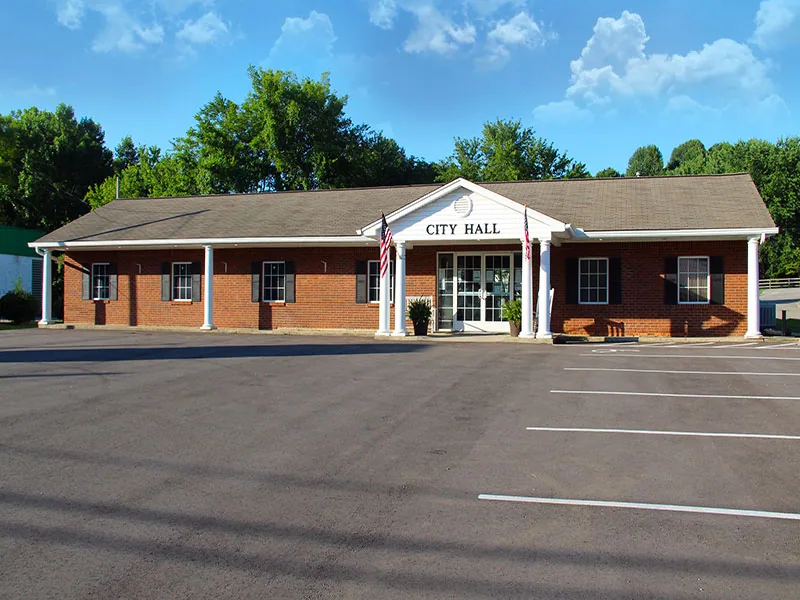
Before demobilizing, we test the visible drainage path, verify the tie-in, and remove debris from the work area. Photographs show the completed detail and adjacent membrane. We record materials, the repair limit, any remaining moisture question, and the next inspection point. The property contact receives the daily handback and knows which conditions remain outside the approved work.
Cumberland Drive and 2nd Street orient the Riverside Drive corridor, while the property record stays specific to the roof and building served. For another Clarksville route reference, Fort Campbell Boulevard is among the city's main thoroughfares. If the investigation finds a wider moisture area, we identify which zone needs another test and which can remain in service. That gives the owner a sequence for a repair, maintenance, or replacement decision without folding an unconfirmed condition into today's drain work.
Share the property location, interior report, and access limits. We will trace the drainage path, document the affected roof zone, and return a repair sequence with a clear close-in point.