
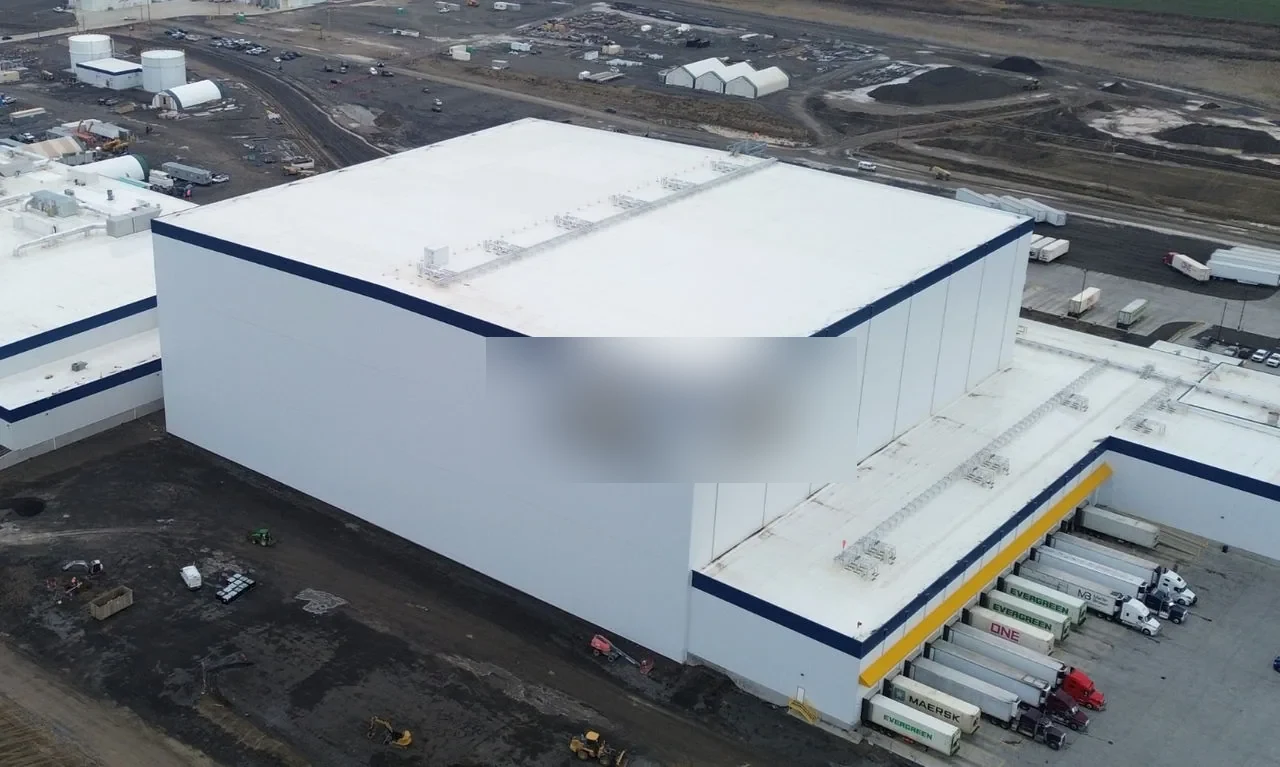
Warm, wet months make a roof assembly decision more than a membrane selection in Clarksville, TN. Johns Manville makes commercial roofing products across TPO, PVC, EPDM, modified bitumen, built-up roofing, insulation, and coatings. The correct path depends on the layers and details actually on the building. We review available records, inspect representative roof areas, and mark where a different addition or repair has changed the assembly. Around Rossview Road or the employment area near I-24, delivery access and roof operations belong in that review before a section is opened.
We document the field sheet, attachment, cover board, insulation, drainage, and perimeter conditions, then separate confirmed work from questions that require testing. That gives the facility a usable basis for selecting a repair or a broader renewal scope.
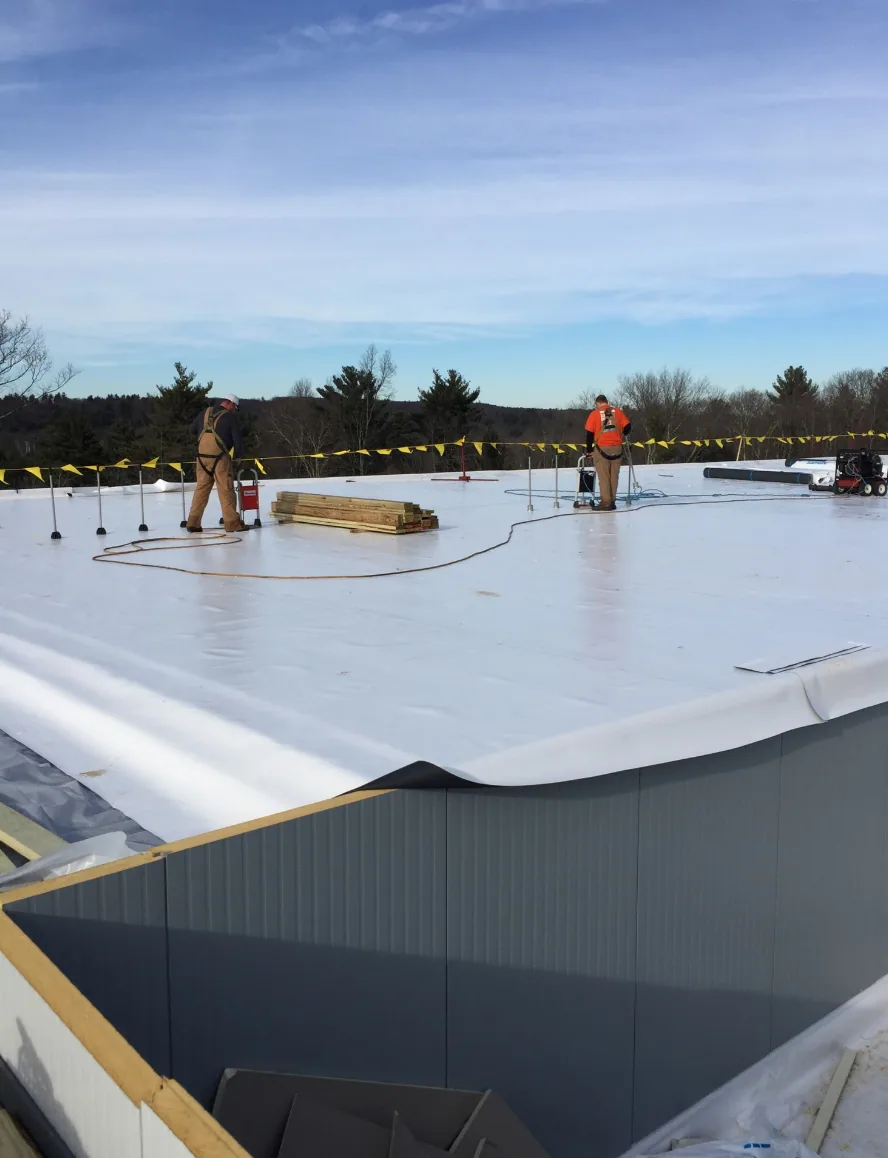
Johns Manville's product range spans single-ply membranes and multi-ply asphaltic systems. A TPO or PVC roof uses thermoplastic seams, while EPDM has its own seam materials and repair details. SBS and APP modified bitumen assemblies rely on plies and flashing transitions; built-up roofing combines multiple layers and surfacing. Insulation selection also depends on the roof design and substrate. We identify what is visible and where records are incomplete before treating any product family as a match.
That distinction matters at a facility with additions, prior recover work, or rooftop equipment changes. The plan may call for a targeted repair on one section and a test opening or replacement comparison on another. A Holcim Elevate membrane review or Soprema product comparison can help organize a manufacturer-level discussion, but the specified assembly and approved components must fit the roof's condition and use.
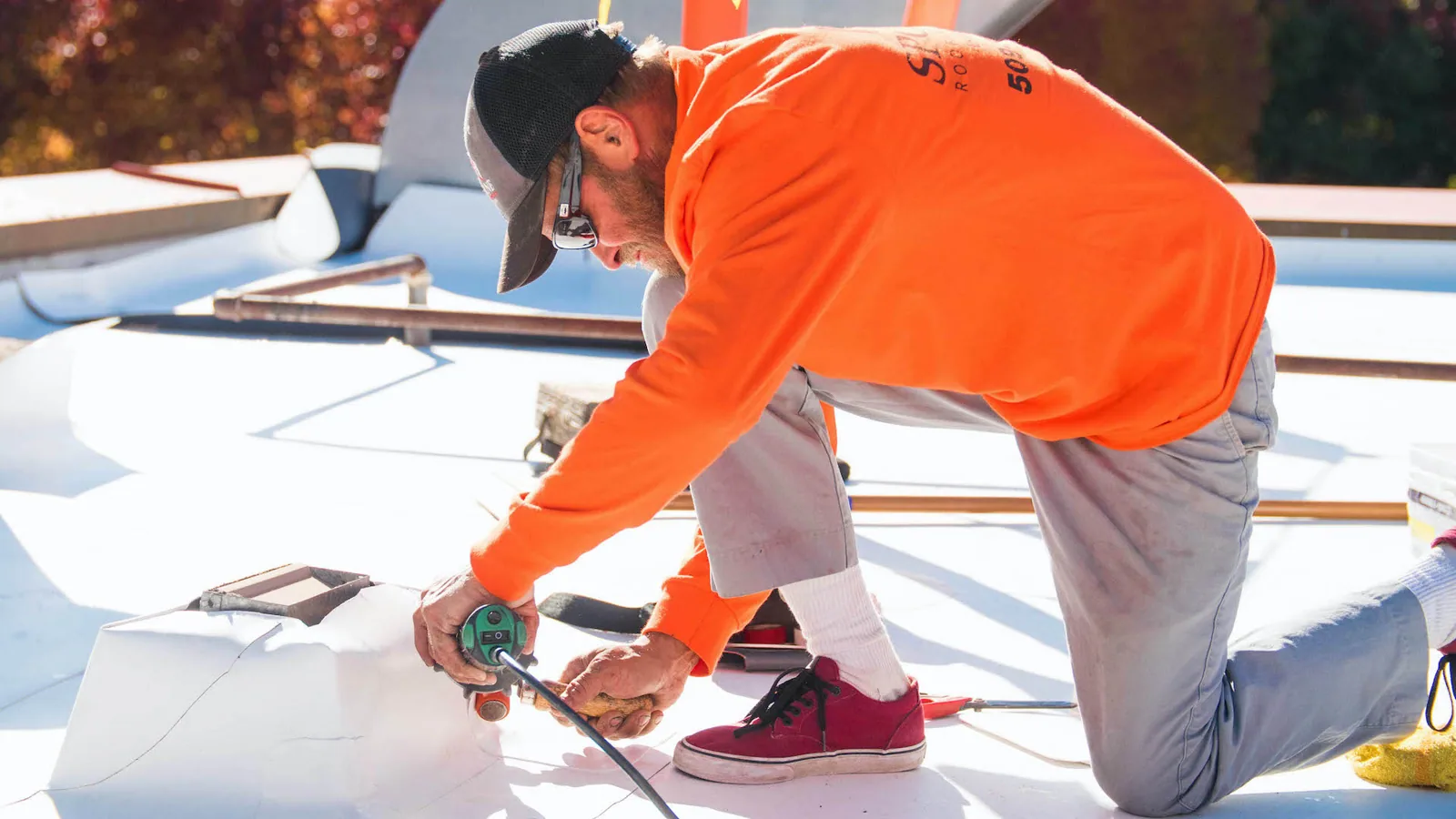
On TPO and PVC, we inspect welds at laps, corners, T-joints, drains, and curb bases. A seam that has lifted in one area does not establish failure across the roof, so we mark the boundary and test the nearby field where appropriate. EPDM inspections follow the material's own joint and flashing details. On a multi-ply system, we look for splits, blisters, exposed reinforcement, and transitions where water can reach underlying layers. The repair note names the observed condition and the preparation needed.
Clarksville's July and August averages are warm, and rain continues in both months. Heat and rain can affect product handling and shift length, so a repair zone needs a defined close-in point. A roof inspection with photographs records seams and transitions, while a flashing repair review isolates curb, wall, and edge conditions that should not be covered by a field patch.
Insulation condition can change the recommendation even when the top membrane appears repairable. We identify soft or displaced areas, ponding patterns, and signs of moisture entry, then decide whether a test opening will answer a scope question. Recover work needs an acceptable substrate and a secure assembly. If the existing board is wet or attachment is not suitable, adding another layer can hide the issue without correcting it. The report shows the known layers and the condition that remains concealed.
Industrial work near South Park and East Park can involve different access patterns from one property to another. Our inspection records each building's insulation rather than assuming district-wide construction. A moisture survey can mark candidate areas for testing. After a test area is opened, insulation and cover-board work is specified to suit the confirmed layers.
Roof work can affect HVAC service, loading, deliveries, and tenant circulation even when only one zone is open. Before mobilization, we confirm which equipment must remain active, where material can be staged, and the daily boundary the crew must protect. Johns Manville accessories and field materials need the installation conditions specified for the selected assembly. If rain or heat shortens the expected work window, the crew secures the planned edge and hands the area back in the stated condition.
Spring Creek Parkway is planned to join the Exit 1 area with the Governor's Square district, adding capacity and easing pressure on state routes. This future connection does not establish delivery access to a specific property. For a site near that part of Clarksville, the facility confirms its own gate and delivery route. A phased occupied-building schedule sets notices and handback, while a roof walk near Rossview Road begins with the specific property, roof access, and work-hour constraints.
We compare available product records with the field membrane, seams, attachment, insulation, and flashing. Where the roof has additions or undocumented repairs, we map each section separately. If a visual review cannot settle the material or layer, the report identifies what testing would be needed.
Insulation is selected as part of the assembly and design, not as a stand-alone layer. Deck condition, existing moisture, roof height, attachment, drainage, and applicable project requirements all affect the detail. We document those conditions before describing the proposed build-up.
Water can enter at a failed weld, an EPDM joint, flashing, a curb transition, or a nearby drain detail. We trace the path and inspect the surrounding assembly instead of assigning the leak to the nearest visible seam. The report ties each repair to what is observed.
Sometimes the available records and field condition support a recover, but moisture, attachment, substrate, and transitions must be acceptable. When those details are uncertain, a test opening may prevent a larger scope from relying on an unverified layer. The approval point is set before removal.
We divide work into roof zones, confirm equipment and delivery limits, and set a daily dry-in boundary with the facility. The schedule identifies tenant notices, protected access, and the condition required for handback. If the weather window changes, the planned zone closes before another begins.
A localized repair may suit an isolated seam or flashing defect when surrounding materials are dry, attached, and compatible. Repeated leak paths, broad wet insulation, multiple system changes, or widespread deterioration may call for a larger scope comparison. We show the areas confirmed in the field, the evidence behind each recommendation, and where a test opening may change quantities. The owner can compare repair, recover, and replacement without assuming the same option applies to every section.
Cost and schedule reflect removal, assembly layers, equipment curbs, edge metal, access, weather protection, and trade coordination. If the roof crosses more than one building or use, each section keeps its own access and daily handback point. A capital planning review can separate immediate corrective work from longer-term renewal, and a recover evaluation can identify the substrate and attachment conditions that must be settled first.
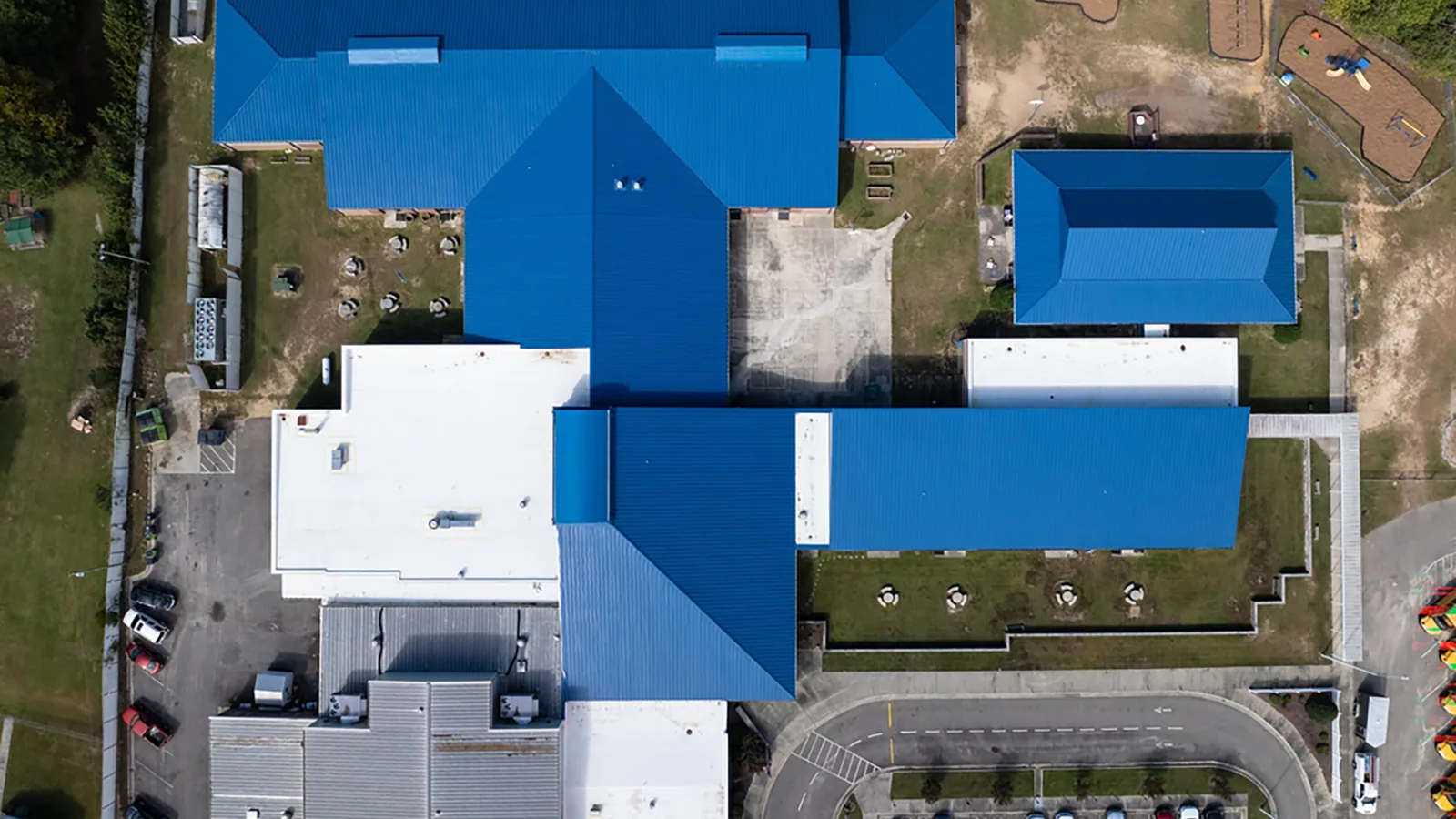
At handback, photographs should show the repaired detail and enough surrounding roof to locate it on the next walk. We record the system family when confirmed, the area repaired, preparation and materials, any test opening, and conditions excluded from the scope. A future inspection can then compare the same seam, drain, curb, or transition and determine whether it changed. If a product label was missing or the layers remain uncertain, that limitation stays attached to the roof-zone record.
For institutional and industrial properties near Fort Campbell Boulevard, access rules and occupied operations can shape the daily work sequence. The property contact confirms actual entry requirements; no route name substitutes for site approval. A photo-based condition record keeps repair locations clear, and maintenance visits can return to drains, seams, and edge transitions on an agreed schedule.
Share roof plans, available product records, leak history, and operating constraints. We will map the roof layers and details, then set a repair, test, or renewal sequence that fits the building's schedule.