
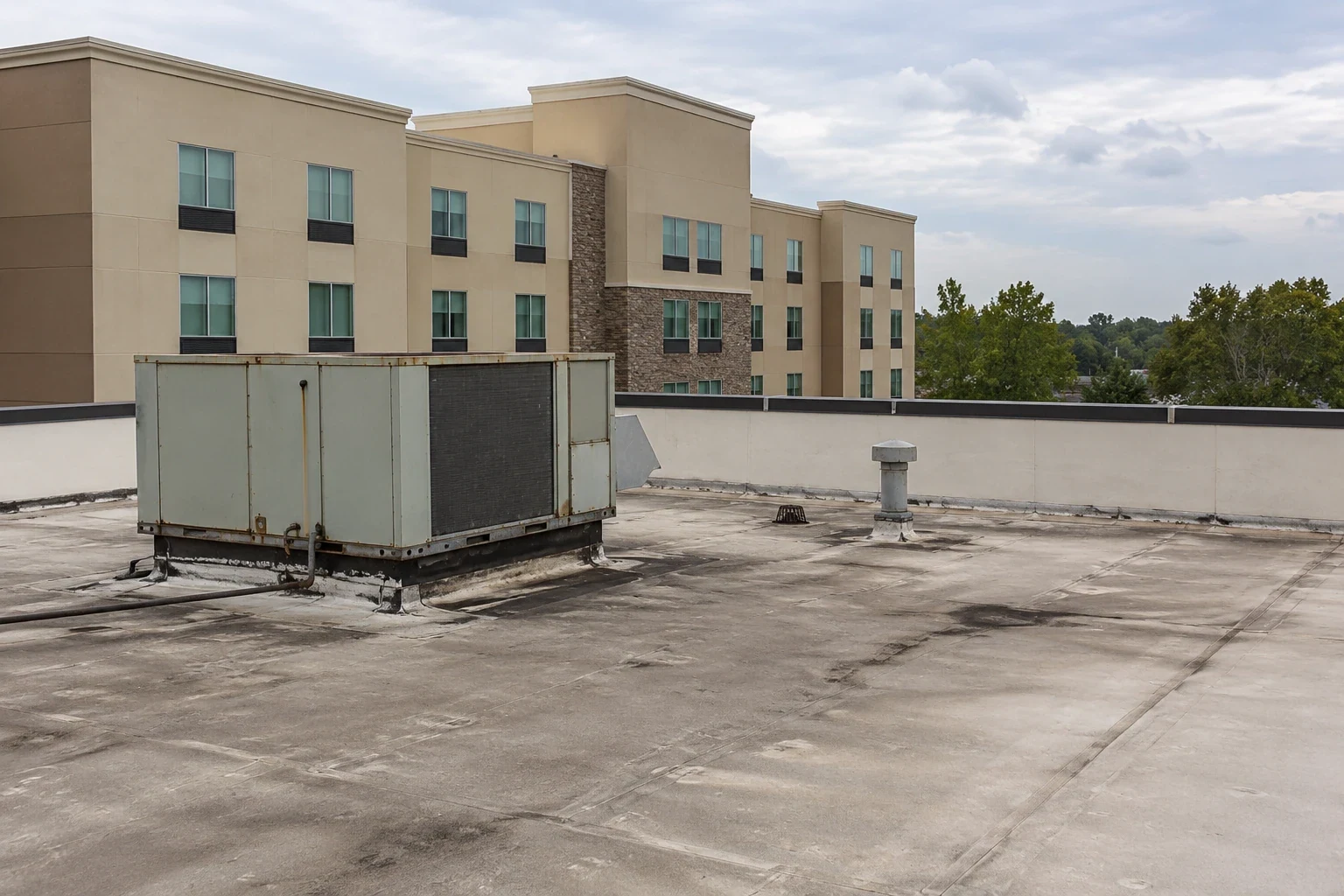
Rain and an active academic calendar can put a roof repair beside a lecture block, residence schedule, event setup, and mechanical service route in the same week. Clarksville's rain is distributed through the year, and the local normals show a 5.50-inch average in May, the largest monthly value in the table. The calendar and weather window therefore matter together: we map the opening, set a dry-in point, and confirm how the roof zone will be handed back before the next scheduled use. Austin Peay State University is among Clarksville's large employers, a local reminder that education is part of the city's building mix. It does not tell us the condition or assembly on any particular campus roof. We inspect the actual deck, seams, drains, and transitions before recommending a scope.
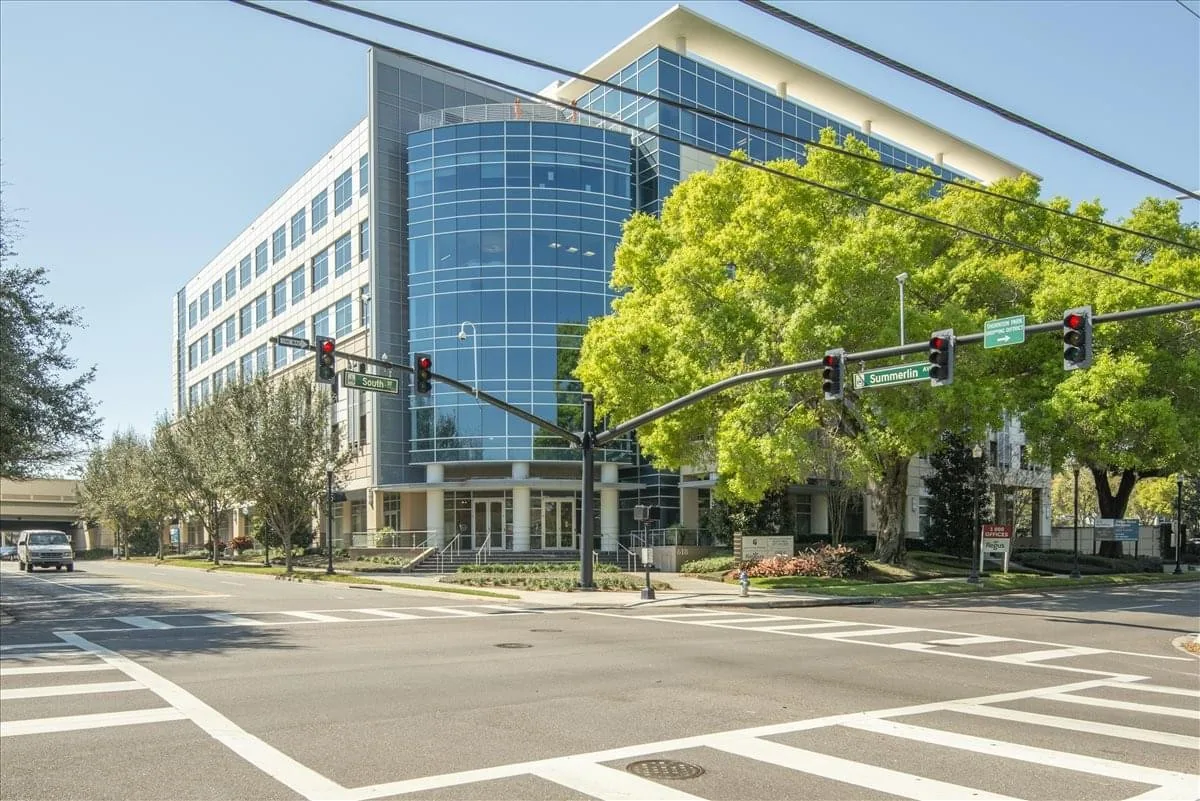
A university property can include academic space, student services, dining, residences, athletics, and maintenance areas, each with its own roof layout and access rules. We identify each roof section before combining conditions into a recommendation. A leak above a lab or residence common area receives a location reference, interior report, and photographs of possible roof paths. We distinguish confirmed openings from areas where a test or closer access is needed. That keeps one urgent repair from becoming a campus-wide conclusion.
A commercial roof inspection can record drains, curbs, seams, penetrations, edge metal, and rooftop equipment without disrupting every building at once. Use a school roof plan as a useful comparison for occupied schedules, while college work may add residence turnover or event dates. The relevant finding belongs to the specific structure and its use, not to an institution's name.
May rainfall averages 5.50 inches in Clarksville, and the annual record shows precipitation in other months as well. For a large property, crews need a clear limit on how much existing roof can be removed before protection is restored. We plan material staging, drain protection, temporary cover, and the point where the section is safe to leave. Summer heat also affects product handling and shift timing. The schedule should use the selected system's installation conditions instead of assuming each roof zone can be opened at the same pace.
An EF3 tornado crossed the Clarksville area in December 2023, while NWS storm reports in May 2024 included hail in Clarksville. Those events support a focused look at perimeter attachment, metal edges, equipment tie-ins, and visible impact. They do not establish damage at an individual university building. When the walk finds a specific issue, our wind damage review and claim documentation keep observed conditions distinct from a regional weather record.
Roof access may compete with deliveries, student circulation, service vehicles, and event operations. We confirm the lift path, loading area, mechanical access, and ground-level exclusion zone with the facility contact before crews mobilize. If the building remains occupied, the roof boundary also needs a matching boundary below. A phased occupied-building reroof plan can name each day's work zone, protection, and handback. Residence or dining operations may have different quiet periods from classroom buildings, so the schedule should identify them instead of treating the property as one shift.
University Avenue and College Street are listed as corridors in Clarksville's roadway network. These are useful local references for coordinating broad access conversations, not evidence about a roof or a specific campus entrance. We keep the address and roof-zone plan at the center of staging. On the same portfolio, a commercial office roof may require a different public-entry plan, while an academic building may need separation between the construction path and student routes. A University Avenue access plan remains a road reference; the roof-zone map governs the staging decision.
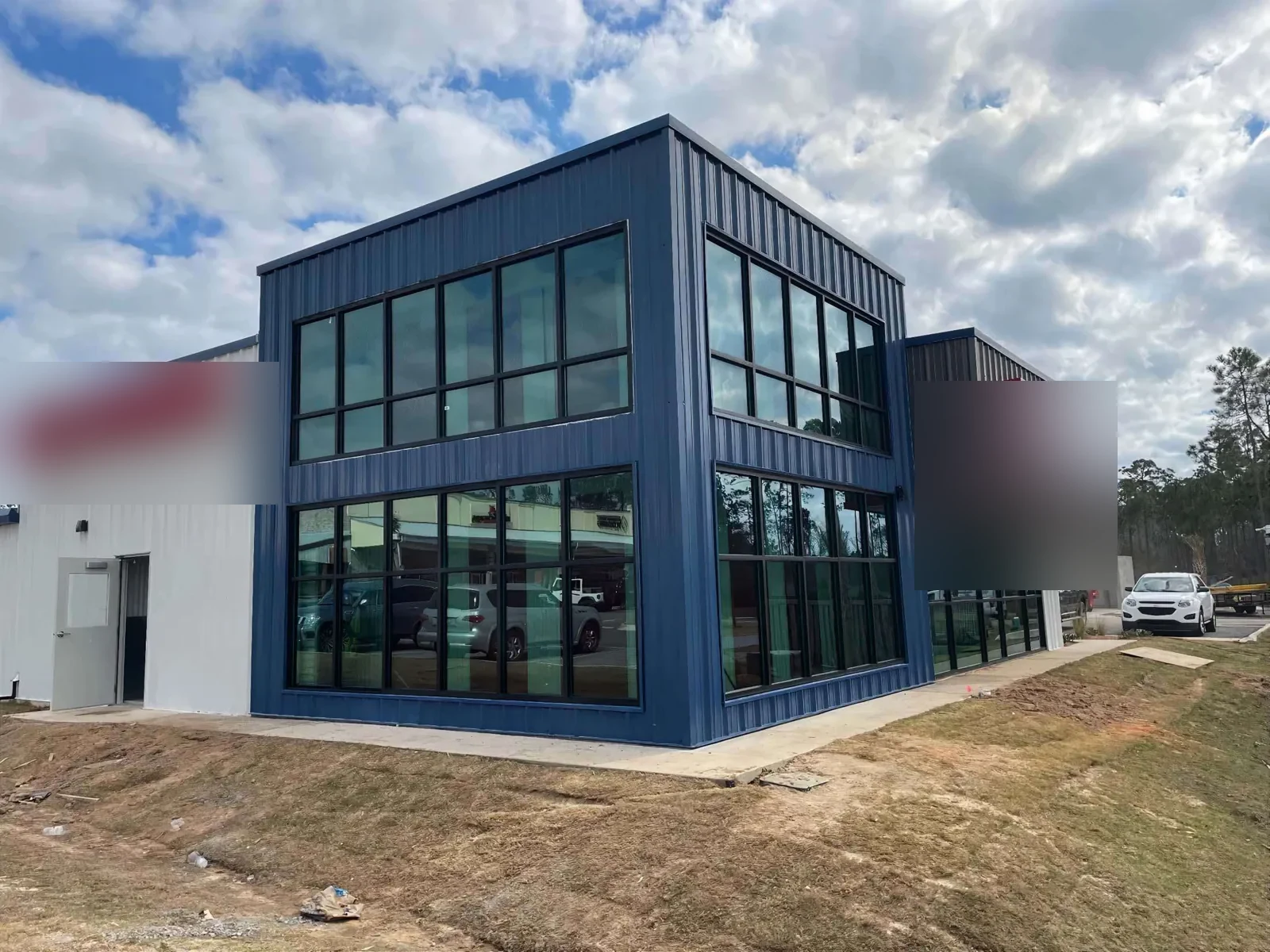
A localized repair fits when the failed detail can be isolated, the surrounding material remains serviceable, and the tie-in can be made watertight. Replacement becomes a stronger candidate when moisture, repeated seam failure, poor drainage, or deteriorated perimeter conditions run across several zones. A recover is considered only after reviewing existing layers, attachment, moisture, deck condition, and applicable code questions. We record the known condition and name any test opening required before the owner chooses.
A campus scope in Clarksville should be reviewed against the city's adopted 2018 International Building Code and 2018 International Existing Building Code, with applicability confirmed for the proposed assembly work. We flag the project questions that arise when work changes an assembly, then leave code determinations to the appropriate design review. Membrane choice follows the existing deck, roof traffic, drain design, attachment, and project phasing. Compare TPO installation details with a coating restoration when the roof conditions support those options. A capital plan can then group documented needs by building, urgency, and access window rather than assign one blanket rating to a campus.
We sort the inspection record by building, observed condition, water activity, safety, and consequence to the operation below. A confirmed opening or loose perimeter detail receives a different response from an area that needs monitoring or testing. The campus team can then compare immediate work with upcoming access windows without treating one building's issue as a campus-wide condition.
Yes, those dates belong in the work sequence. We confirm the buildings affected, delivery route, lift position, occupied hours, and ground-level boundaries, then set a daily handback. If a particular roof zone conflicts with move-in or event setup, we can phase another section first and state what protection remains until the next window.
The useful package ties photographs and roof-zone locations to the observed condition, repair options, and open questions. We identify what is visible, where moisture testing or a test cut is needed, and which scope elements affect timing. That gives finance and facilities a common basis for comparing repair, recover, and replacement without claiming that concealed conditions are already known.
A recover can be evaluated only after the existing assembly, attachment, moisture, deck, and applicable code issues are reviewed. If those checks support retaining the roof, the proposal should show how the new system connects to drains, curbs, edges, and penetrations. Where moisture or repeated failures extend across zones, replacement may provide a clearer way to address the affected assembly.
It can document visible conditions at the roof, including displacement, impact marks, open seams, or damaged flashing. A regional storm report is a reason to inspect, not proof that a particular building was affected. We photograph findings and identify any test needed before the scope assigns a cause or recommends permanent work.
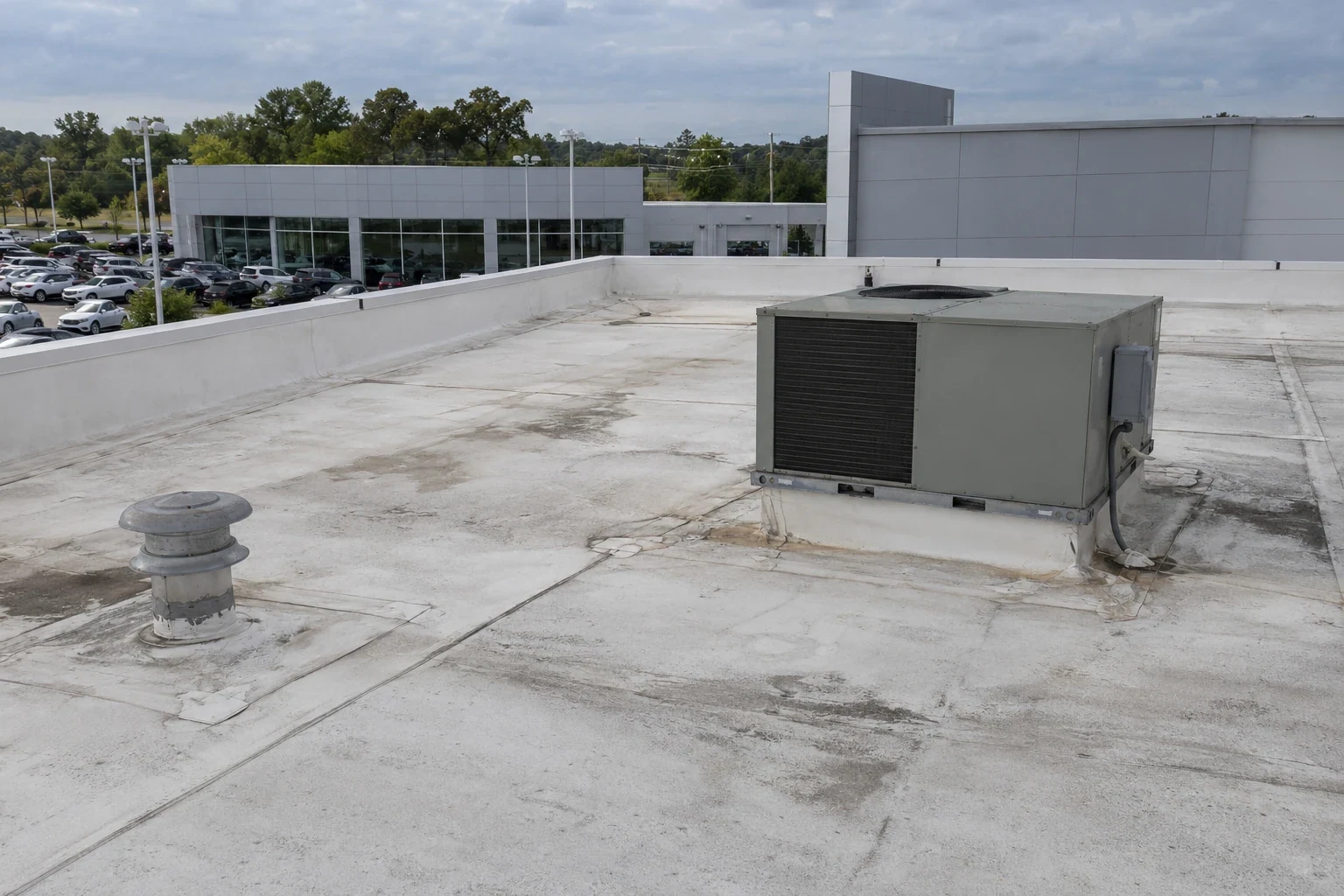
Each work zone should end with a record of the repair, temporary protection, staged material, and access conditions for the next shift. We label photographs by building and roof section, then note which drains, curbs, edges, or seams need a return check. If a later phase depends on a residence move-out or event break, that milestone belongs in the work plan. The campus team receives a clear list of what is ready for use and what remains isolated.
After substantial rainfall, a follow-up can revisit the repaired transition and the drainage path around it. The observation should refer to the same roof location and note whether any new interior report appeared. A condition record is useful to facilities, finance, and the next maintenance shift. For a roof walk in Clarksville, tell us which buildings are active, what dates cannot move, and where safe access is available. We will document the conditions first, then lay out the next repair or capital decision.
Share the buildings, operating dates, and access restrictions that matter most. We will walk the selected zones, document roof findings, and coordinate a sequence that gives facilities a clear handback at each stage.