
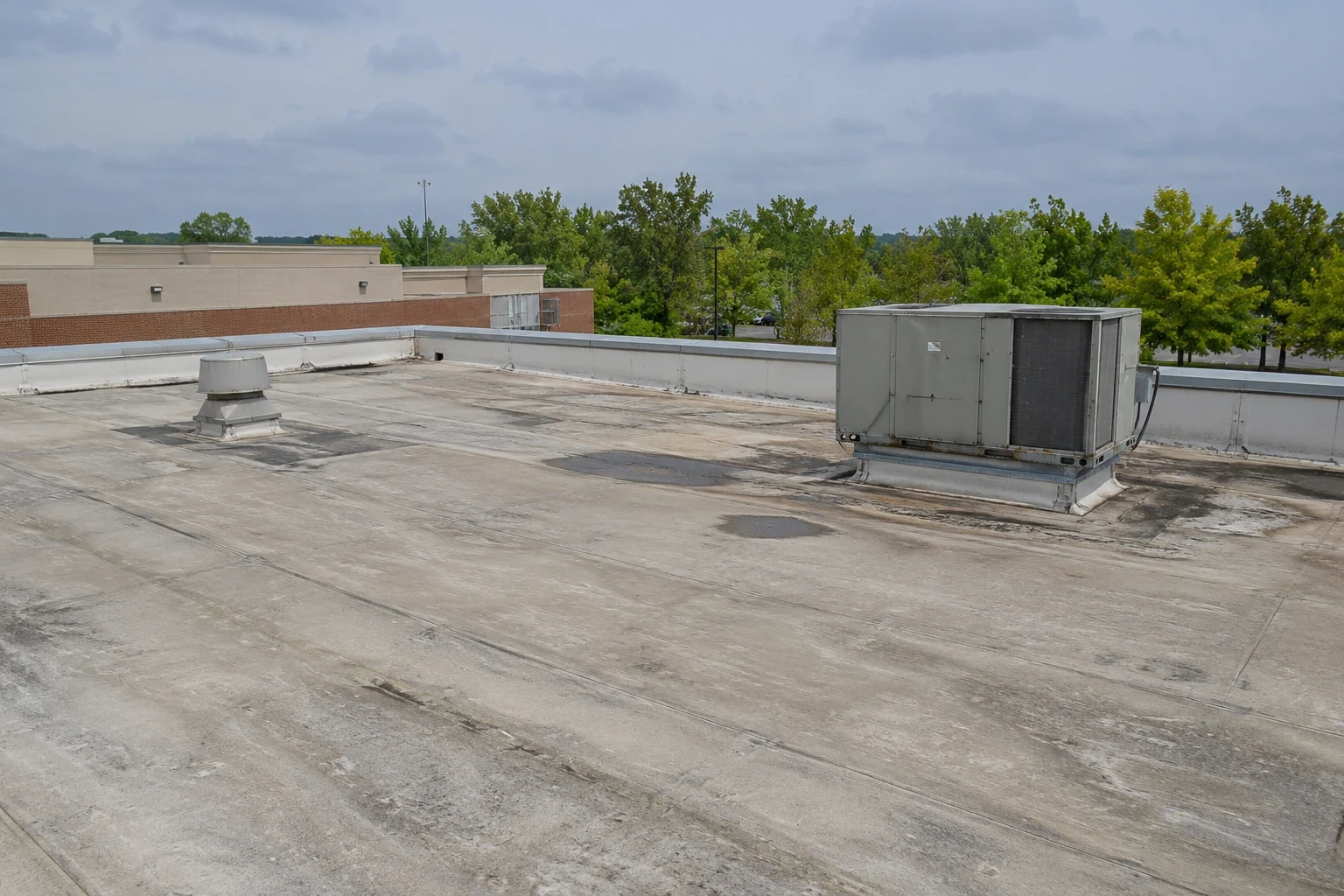
Rain can reach a Clarksville school roof in any season, while summer heat changes the hours when exposed materials can be handled comfortably. The local climate record shows July and August mean temperatures near 79 degrees and measurable precipitation in both months. That is a planning condition, not a diagnosis of a particular campus. Our roof walk starts with the active leak locations, drains, seams, edge metal, curbs, and the rooms that must stay dry. We then compare the roof zones with arrival, dismissal, meal service, and after-school use. A repair plan should show what can be isolated, how the opening will be secured before the next weather window, and when each work area returns to school staff.
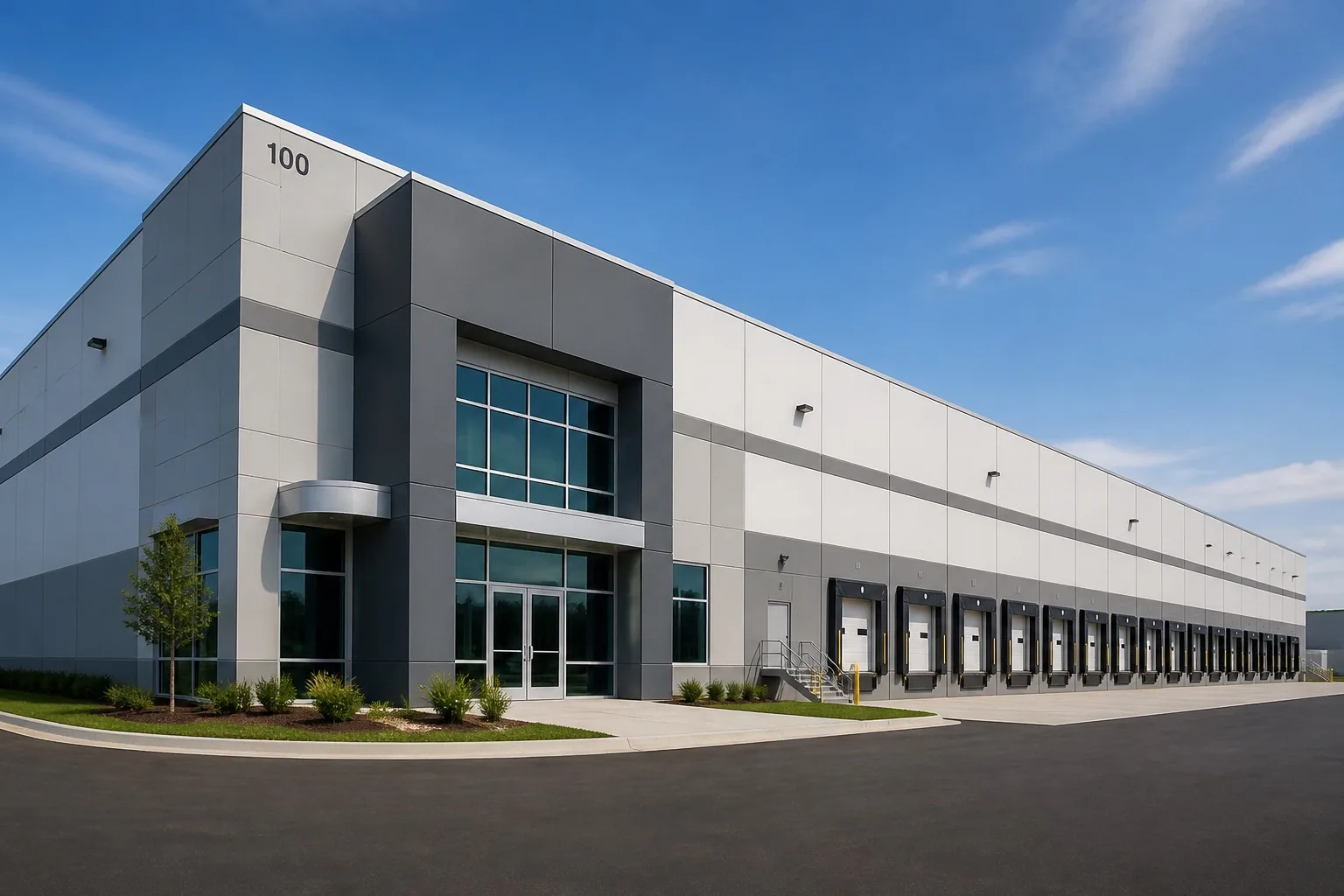
A ceiling mark in a classroom, corridor, gym, or cafeteria gives the inspection a place to begin, but water can travel along a deck before it appears indoors. We match the reported room and timing to roof penetrations, laps, curbs, drains, and perimeter transitions above it. Photos identify both the close detail and the roof zone, so the maintenance team can distinguish an active opening from an older stain. If moisture testing or a small opening is needed, we identify that next step rather than guessing at hidden material.
For a larger commercial roof inspection, the written record can separate immediate repairs from maintenance and capital items. Education buildings also differ by occupancy and roof use; a college and university roof plan may have research or residence areas that do not share a school-day schedule. That distinction helps school staff keep a specific building decision moving without turning every observation into an emergency.
Clarksville's normal May rainfall is 5.50 inches, the highest monthly average in the local table. A school scope should set a clear protected stopping point for each shift. For school work, the practical question is how much roof can be opened and protected before a shift ends. We set a dry-in point, stage materials, and confirm who can verify the area before crews leave. Summer temperatures also affect adhesive handling and work timing, so the schedule should reflect the selected system's installation limits rather than a generic calendar.
Clarksville also experienced an EF3 tornado crossing the area on December 9, 2023. That event supports careful attention to perimeter attachment, coping, and rooftop equipment tie-ins during an inspection; it does not establish damage at an individual school. Where wind-related damage is visible, our tornado damage assessment records the affected zones and immediate protection. A storm repair scope then distinguishes temporary dry-in from permanent restoration.
Students and staff need a defined boundary when roof work overlaps an occupied building. We map the work zone against entrances, bus circulation, outdoor areas, mechanical intakes, and any room that needs uninterrupted access. Lift placement and material delivery belong in that map too. If the project can move one wing or roof section at a time, the schedule identifies the daily handback and what protection remains in place overnight. For summer or break work, we still plan for custodial access, scheduled programs, and early return of staff.
The Clarksville-Montgomery County School System appears in the local employer directory. That establishes education as a real part of the area, not a count of school roofs or a description of any particular building. A school may contain several roof sections with different conditions. We track them as carefully as a warehouse roof record tracks separate areas, then coordinate a phased occupied-building reroof when the campus cannot close for the work. College Street is a named arterial in the local network, giving staff a useful orientation point without substituting for the building's roof plan. The College Street corridor is one local reference; roof findings still come from the school's own walk.
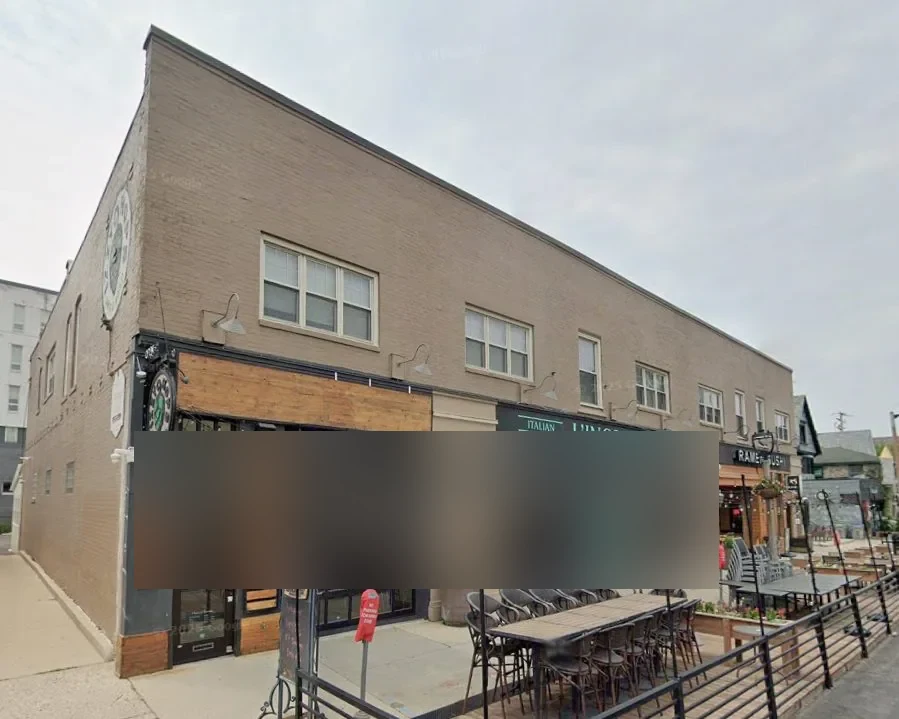
A localized repair can make sense when the defect is confirmed, the surrounding membrane remains serviceable, and the tie-in can be made watertight. Replacement deserves review when failures recur across multiple areas, wet insulation is widespread, or drainage and edge details need broader correction. A recover is a separate option only after the existing assembly, attachment, moisture, and applicable code conditions are evaluated. We mark known conditions and items needing a test opening so the decision does not depend on an unverified assumption.
The city's adopted code set contains the 2018 International Building Code together with the 2018 International Existing Building Code, useful references when planning a school roof alteration. We use that local context to flag questions for the project team when a repair changes an assembly; a roof walk alone is not a code determination. For membrane options, compare TPO roof construction and the membrane work serving Rossview Road properties against deck condition, traffic, drainage, attachment, and the school calendar. Insulation condition and curb heights can also affect insulation and cover-board scope.
We start with the room, timing, and any recent changes, then compare that report with roof details above it. Seams, curbs, drains, penetrations, and perimeter transitions can all provide a path. Photographs and moisture checks help narrow the area, while a selective opening may be needed to confirm concealed conditions. The scope identifies what is established and what remains to be tested.
The answer depends on access, noise, lift placement, room use, and whether the roof zone can be isolated safely. We map entrances and circulation with the school contact, then set a work boundary and daily handback. A section that cannot be separated from occupied space may need a different shift or a break-period sequence. We plan around the actual schedule rather than promise that no activity will be affected.
Check that each scope identifies the same roof areas, insulation assumptions, deck repairs, edge metal, drains, equipment resets, protection, and disposal. We list known conditions separately from work that could change after an opening. That lets the facilities team compare the same boundaries and understand how concealed conditions will be documented before added work proceeds.
No. A regional event makes a targeted inspection reasonable, but the building record must come from observations at that property. We photograph visible impact, displaced edge details, open seams, or other conditions and note areas that need closer testing. The recommendation follows the evidence at the school, not the storm report alone.
The handback names the roof zone, protection installed, person responsible for the next check, and the condition that triggers a return. We include photographs and a follow-up date in the work record. If permanent material cannot be installed before weather changes, the facility contact knows which area remains protected and what access the next crew will need.
Each workday should close with a clear account of what was opened, repaired, or left under temporary protection. We label photographs by roof zone and note drain condition, flashing transitions, material staged for the next shift, and any access restriction. The school contact should know which rooms were below the active work, who has the roof access key, and what to do if rain arrives before the next visit. A short, specific handback gives custodial and maintenance teams something useful to carry forward.
When the project spans several buildings, keep each roof's findings distinct rather than merging them into a campus-wide label. The next inspection can compare the same seam, curb, or drain with the earlier record. To set the first walk, tell us which rooms have reported water, when the building can provide access, and which parts of the school day cannot shift. We can then document a repair sequence that fits the building's schedule and leaves the next decision visible.
Share the affected rooms, occupied hours, and available roof access. We will document the roof zones, coordinate a work boundary with your facilities contact, and outline the next repair or planning decision.