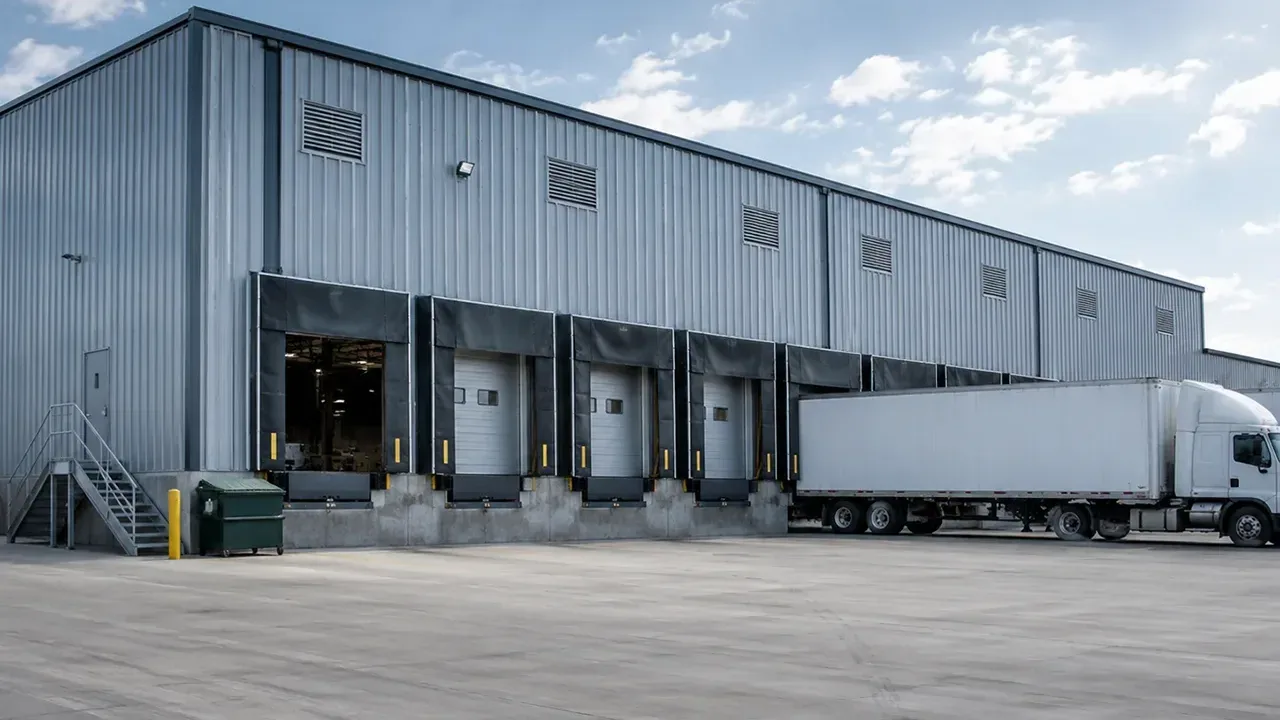
After a storm, the first useful record is the roof condition that can be seen and secured now. Clarksville's NWS records include a December 2023 tornado crossing the area and hail reports in May 2024. Those events frame an inspection, but a property still needs its own photographs, measurements, and repair limits. We document displaced metal, opened seams, punctures, damaged flashing, interior reports, and temporary protection by roof zone. The building owner, adjuster, and restoration team can then review the same observed scope without treating a regional weather record as proof of damage at one address.
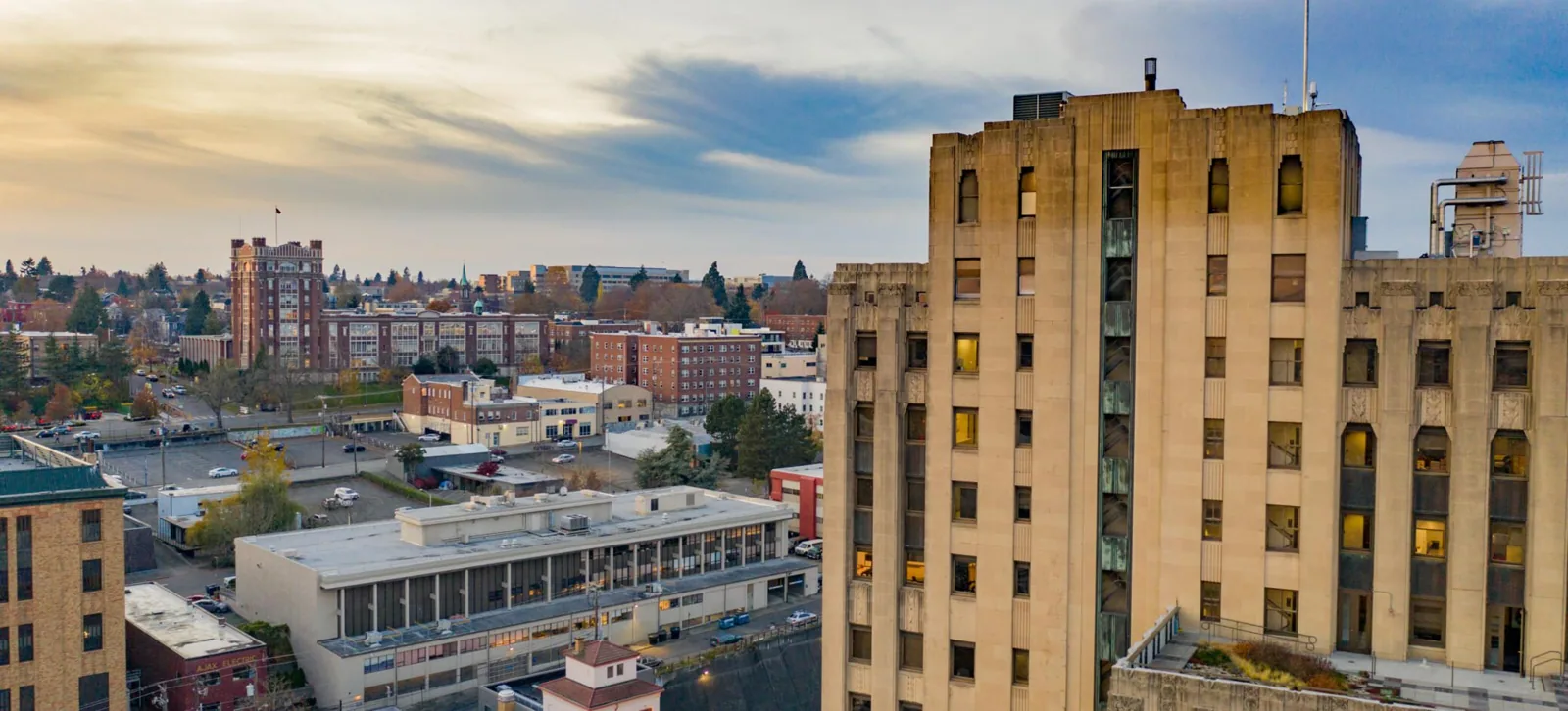
We photograph the roof from overview to detail, identify each location on a roof plan, and note the material and visible condition. If water entered inside, we record the affected room, timing, and likely path without assuming that the ceiling stain marks the roof opening. We separate storm observations from existing wear, prior patches, and conditions that need testing. That evidence supports a repair estimate and helps the owner understand what is confirmed before material is removed.
Clarksville's May 2024 NWS reports included hail observations, and the December 2023 tornado record documents severe wind in the area. The reports do not determine the condition or cause at a particular building. We inspect edge metal, seams, curbs, skylights, penetrations, and drainage, then identify where a closer test is required. A roof inspection can establish the baseline, while a claim documentation scope can organize photographs and repair items for the owner and adjuster.
Photographs should retain a date and roof-zone label, with a wide view that locates the detail and a closer view that shows its condition. We can include temporary protection and follow-up images as separate entries. That sequence makes it easier to compare the observed condition with the completed repair and later inspection.
If a membrane or metal detail is open, the first scope may be temporary protection that stops additional water while permanent repairs are evaluated. We identify what is covered, how it is attached, the condition to recheck, and who receives the next update. Inside, the owner can isolate affected equipment or rooms and keep a record of water entry. A temporary dry-in is described as temporary, with the permanent work and inspection still identified separately.
Clarksville's climate normals show rainfall in multiple seasons, including a high average in May and another wet period in November. A repair opening has to be sized to the area that can be secured within the available weather window. We set the dry-in point and daily handback before the crew leaves. If the building is occupied, an occupied-building sequence can coordinate access, interior protection, and the roof phase with facility operations.
A repair estimate should show the observed damage, the roof area involved, materials, tie-ins, access, and protection. It should also identify maintenance items or pre-existing conditions separately, rather than combining them with storm repairs. If the source or extent is uncertain, we state the inspection limit and any test opening that could clarify it. The owner and carrier decide policy questions; the roof scope describes the building condition and work required.
A localized puncture or opened seam may be repairable when surrounding material is sound. Widespread wet insulation, multiple failed zones, or edge damage across a long run can require a larger review. A hail damage assessment and wind-related roof repair should remain tied to the observed area and documented cause, not a broad label. We compare repair with replacement when the condition supports both paths.
For clarity, the field estimate can show a separate line for temporary cover, permanent repair, insulation replacement, edge or flashing work, and any testing that would define hidden damage. It also states the limit of the measured area and the approval step before adding work. The adjuster and property owner can review each item against the recorded roof zone without confusing a maintenance recommendation with a storm repair.
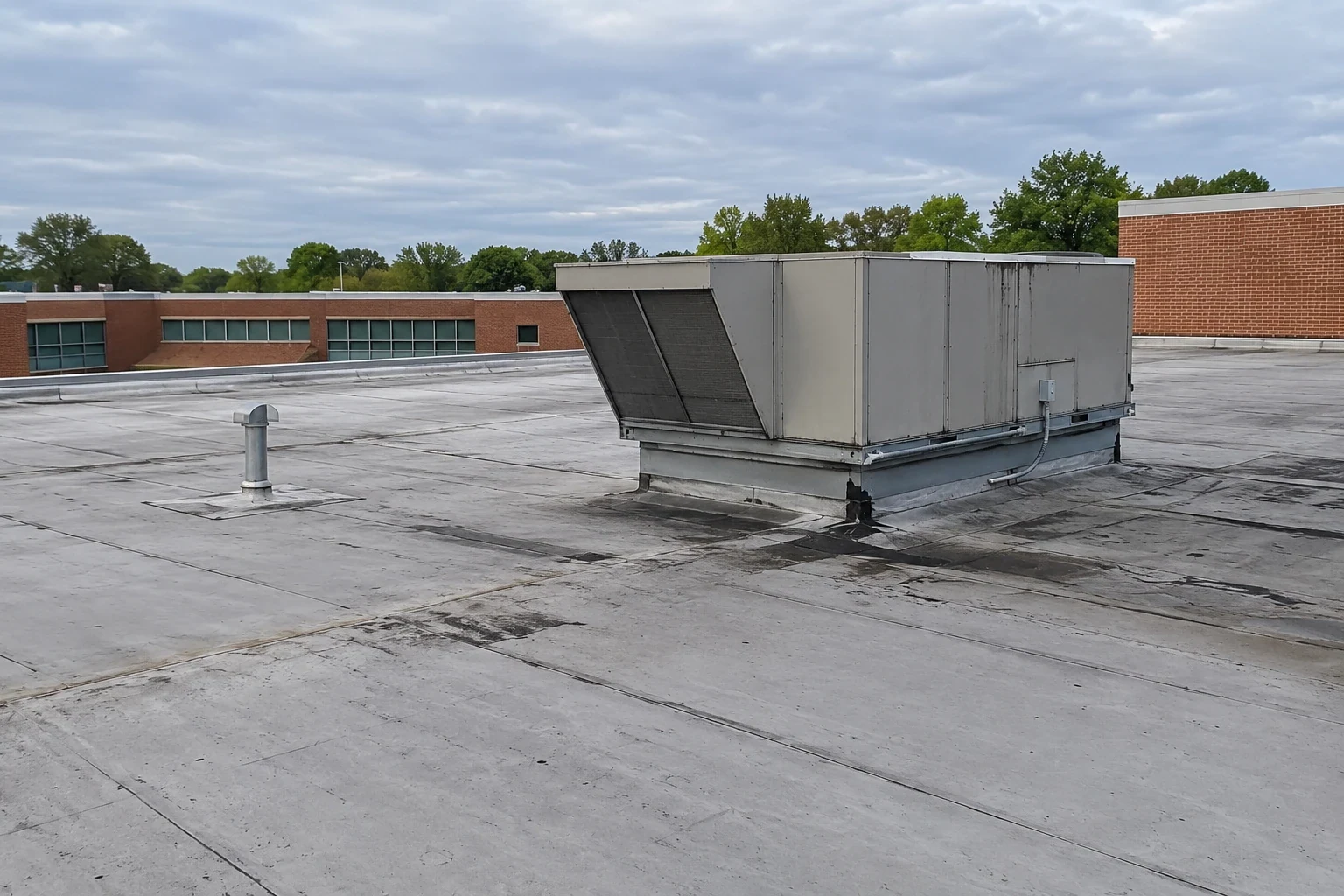
The property contact controls access and emergency decisions, while an adjuster may need a scheduled inspection and the restoration contractor may be handling interior protection. We coordinate the roof walk and state who can authorize temporary cover or permanent work. The record identifies dates, roof zones, weather exposure, and any limitation on access. No one should mistake an estimate for an insurance coverage decision; the written findings make the roof work reviewable.
A commercial building near Rossview Road or Fort Campbell Boulevard still has a site-specific gate, tenant, and delivery plan. The city lists those as main thoroughfares, which can orient the access discussion but does not define a property entrance. We confirm the actual route with the owner. A general contractor coordination plan can align roofing with reconstruction trades, and property management records can keep building files and owner approvals organized without merging unrelated locations.
No. Regional weather records establish that an event occurred in the area, not that one roof was damaged. We inspect and photograph the actual property, then identify observed openings, displacement, or water entry. The repair scope follows that evidence and keeps pre-existing conditions separate.
Photograph the roof condition, mark the location, record material and visible damage, and note the interior report. We capture the opening before covering it where safe, then document the temporary attachment, covered area, and recheck responsibility. That leaves a record of both the observed condition and the immediate protection.
No. We document the roof and price the work tied to observed conditions. The carrier and policy terms determine coverage. Our scope can separate storm-related findings from maintenance or other conditions so the owner and adjuster can review the information clearly.
We compare the room, timing, and weather with the roof above and nearby seams, drains, curbs, and transitions. Water may move along insulation or deck before it appears inside. If the path is uncertain, we identify a test or opening needed to confirm extent before removal continues.
Keep the roof-zone map, dated photographs, material and tie-in notes, temporary protection record, approved work, and remaining follow-up together. We state which areas were repaired and what still needs testing or owner approval. That gives the next inspector a useful reference after rain or equipment service.
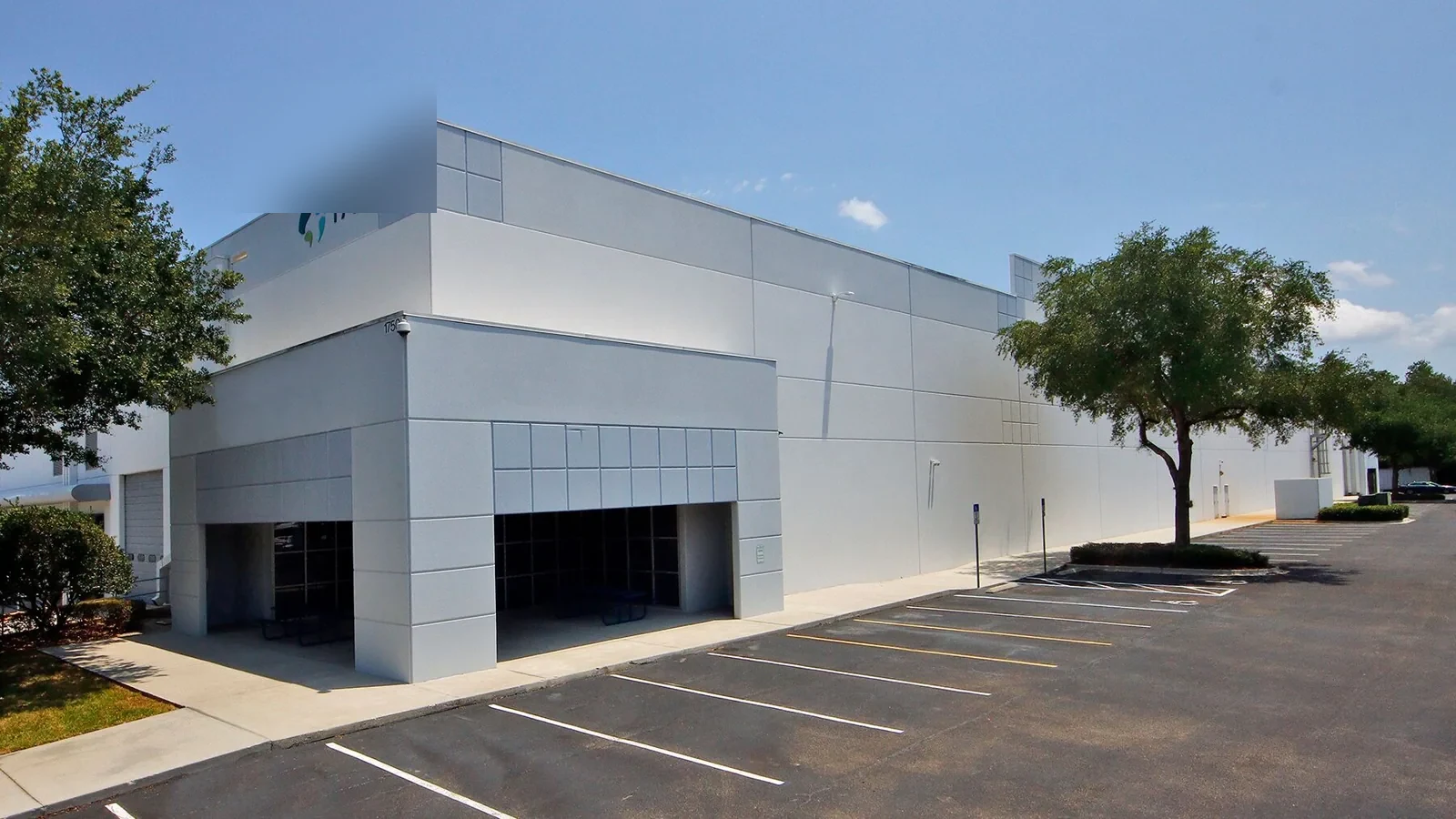
Closeout photographs show the repaired detail and surrounding roof area, with materials, limits, and any remaining follow-up identified. If a temporary condition remains, the owner receives the recheck date and responsible contact. We keep completed work distinct from items that need a separate approval or future budget. A photographic condition report can hold the inspection and repair record together for maintenance and claim files.
We review the final roof zone with the property contact, note what interior protection can be removed, and identify whether another trade must test equipment or restore finishes. A building reached from Rossview Road or Fort Campbell Boulevard has its own access and staging details, so the closeout returns to the exact work area instead of relying on a general corridor note. The owner can then compare the observed damage, completed repair, and any deferred condition before closing the file.
Schedule a Clarksville roof inspection with the property contact. We will photograph the observed condition, identify immediate protection, and prepare a scoped repair record for owner and adjuster review.